
In the world of sneaker culture, buying limited-edition releases is no longer just about being quick — it’s about being smart. With competition from resellers, bots, and global demand, manual checkout is nearly impossible. That’s where proxies for sneakers come into play.
This guide breaks down everything you need to know about sneaker proxies — what they are, how they work, which types you should consider, and why using a reliable provider like IPFLY can give you the edge on drop day.
What Are Sneaker Proxies?
Sneaker proxies are intermediary IP addresses that mask your real IP while automating or accelerating the checkout process on sneaker retail websites. They help you bypass restrictions like rate-limits, bans, and geo-filters set by platforms like Nike SNKRS, Adidas Confirmed, Foot Locker, Supreme, and others.
Without proxies, sneaker bots often get flagged or blocked for making multiple requests from a single IP — which appears suspicious. Proxies solve this by assigning different IP addresses to each task, making bot behavior appear like many real users.
Why Do Sneakerheads Use Proxies?
Proxies are essential for serious sneaker copping for several reasons:
- Multiple Entries: They allow bots to run multiple tasks with different IPs, increasing your chances of securing at least one pair.
- Avoiding Blocks: Sites monitor and blacklist IPs that show unusual activity. Proxies prevent your real IP from being banned.
- Geo-targeting: Some releases are region-specific. Using proxies located in that region helps you appear as a local buyer.
- Speed Optimization: Fast proxies can reduce latency during checkout, which is critical for high-demand drops.
In short, proxies are the secret weapon behind most successful sneaker botting setups.
Types of Sneaker Proxies
Not all proxies are created equal. Choosing the right type can make or break your success:
1. Datacenter Proxies
- Pros: Fast, cheap, and ideal for sites with lower bot protection.
- Cons: Easier to detect and block.
- Best for: Smaller sites, early-stage monitoring.
2. Residential Proxies
- Pros: Come from real residential ISPs, harder to detect, and highly reliable.
- Cons: More expensive and slower than datacenter proxies.
- Best for: Sites like SNKRS, Adidas Confirmed, and Footsites.
3. Static Residential (ISP) Proxies
- Pros: The best of both worlds — fast like datacenter, residential like home IPs.
- Cons: Limited availability.
- Best for: Checkout-heavy tasks that require trust and speed.
At IPFLY, we offer all three proxy types. Our static residential proxies are especially popular among sneaker botters due to their stability and performance under pressure.
How to Choose the Right Proxy for Sneakers
When picking proxies for your bot setup, consider the following factors:
1. Location Coverage
Some releases are only available in specific countries or cities. Choose proxies with geo-targeting options to simulate local presence. For instance, if a drop is EU-exclusive, using the U.S. IPs may reduce your chances significantly.
2. Speed & Latency
Milliseconds matter. Choose proxies that offer low ping and fast connection speeds to minimize lag during checkout. IPFLY’s proxy infrastructure is optimized with self-built servers to ensure minimal delay.
3. Rotation & Freshness
Rotating proxies (like IPFLY’s dynamic residential options) refresh IPs frequently to avoid bans. For tasks requiring consistency, static IPs are better.
4. Success Rate
This is crucial. Look for a provider with proven success rates on top sneaker sites. IPFLY’s proxies are battle-tested across major platforms, helping our clients boost their checkout success.
Setting Up Proxies with Sneaker Bots
Most sneaker bots allow you to import proxy lists. Here’s a simple setup:
- Buy Proxies: Choose the right plan from your provider (like IPFLY).
- Format Correctly: Use the format
IP:PORT:USERNAME:PASSWORDorIP:PORTdepending on authentication. - Import to Bot: Most bots like Kodai, MEK, NSB, or Wrath support easy import.
- Test Proxies: Always test speed and functionality before the drop.
- Assign Tasks: Link each task to a unique proxy to avoid overlap or bans.
Pro tip: Combine different proxy types (residential + datacenter) for monitoring and checkout stages to get the best of both speed and reliability.
Common Mistakes to Avoid
Even experienced users can run into problems. Watch out for these common pitfalls:
- Overusing IPs: Don’t run too many tasks per IP. It will get flagged.
- Wrong Proxy Type: Don’t use datacenter proxies on high-security sites.
- Poor Locations: Using proxies far from the drop server location can increase latency.
- Cheap Providers: Low-quality proxies are often already blacklisted.
Choosing a trusted provider like IPFLY helps eliminate most of these issues.
Why IPFLY for Sneaker Proxies?
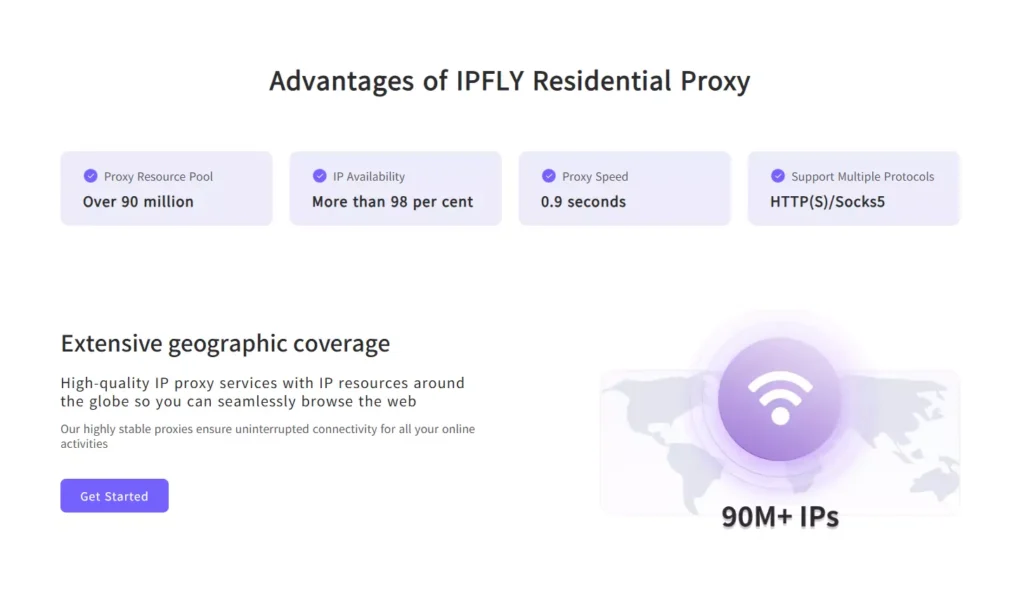
At IPFLY, we understand sneaker games. Our proxy network is built for scale, reliability, and performance. Here’s what makes us a top choice:
- ✅ Wide IP Pool: Over 90 million IPs across 190+ regions.
- ✅ Flexible Options: Dynamic residential, static residential, and datacenter proxies.
- ✅ Custom Routing: Choose locations closest to sneaker servers.
- ✅ Self-Owned Infrastructure: No third-party risks.
- ✅ Advanced Filtering: Clean, high-trust IPs only.
We’re trusted by thousands of sneakerheads and automation users worldwide — not just because our proxies work, but because they work when it matters most.
Final Thoughts

Using proxies for sneakers isn’t just a nice-to-have — it’s an essential part of any botting strategy. Whether you’re targeting exclusive Yeezys, Off-Whites, or SNKRS drops, proxies multiply your chances and shield your setup from bans.
But the proxy provider you choose matters. With IPFLY, you get speed, stability, and scale — all in one platform.
Ready to level up your sneaker game? Explore IPFLY’s sneaker proxy plans today and give yourself the edge on drop day.
👉 Visit IPFLY.net to get started.