There’s nothing more devastating to a Facebook advertising business than waking up to find all your ad accounts have been banned. A single mass ban can wipe out months of work, thousands of dollars in ad spend, and irreparably damage your business reputation.
While Facebook’s anti-fraud systems are becoming increasingly sophisticated, most account bans are preventable. The key is understanding exactly what triggers Facebook’s ban algorithms and implementing the right strategies to avoid them. In this guide, we’ll reveal the three most common ban triggers and show you how to neutralize them using Dolphin Cloud’s built-in features and high-quality proxies.
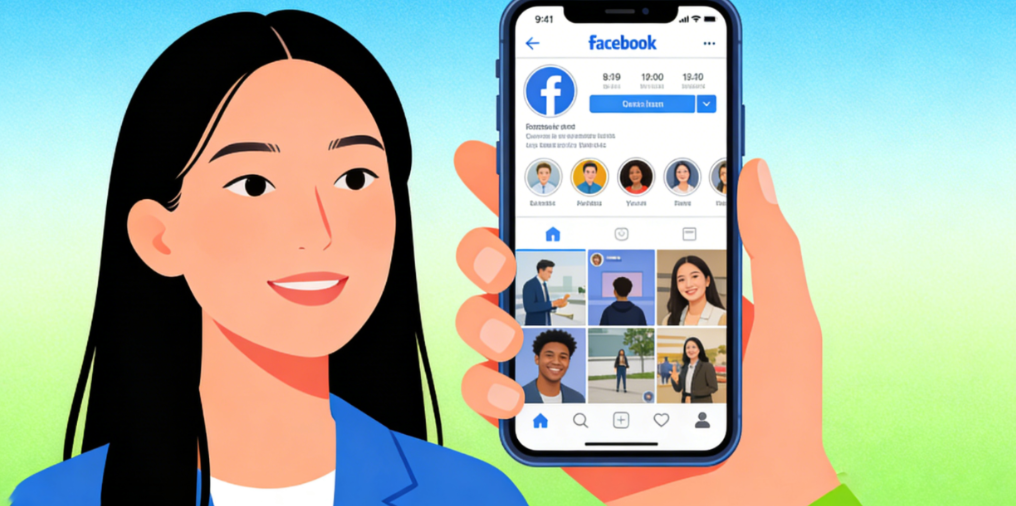
How Facebook Detects Multi-Account Operations
Before we dive into the specific ban triggers, it’s important to understand how Facebook detects that multiple accounts are being operated by the same person or organization.
Facebook uses a combination of signals to identify connected accounts:
- IP address: The most basic and important signal. If multiple accounts log in from the same IP address, they will be immediately flagged.
- Device fingerprint: Facebook collects information about your browser, operating system, screen resolution, and installed plugins to create a unique device fingerprint.
- Behavioral patterns: Facebook analyzes how you interact with the platform, including typing speed, click patterns, and the time between actions.
- Payment information: If multiple accounts use the same payment card or billing address, they will be linked together.
- Content similarity: If multiple accounts run identical or very similar ads, they will be flagged as part of the same operation.
Proxies solve the IP address problem, but they’re only part of the solution. To avoid bans, you need a comprehensive approach that addresses all these signals.
Ban Trigger #1: Simultaneous Payment Card Linking
One of the fastest ways to get all your accounts banned is to link the same payment card to multiple accounts at the same time. Facebook’s algorithms are specifically designed to detect this pattern, as it’s a common tactic used by scammers and fraudsters.
Why This Triggers Bans
Facebook requires all ad accounts to have a valid payment method on file. When you add a payment card to an account, Facebook checks to see if that card has been used on any other accounts. If it detects that the same card has been added to multiple accounts within a short period, it will flag all those accounts as suspicious and ban them.
Even if you use different cards, adding them all at the same time can still trigger a ban. Facebook looks for patterns of activity that suggest automated operation, and bulk payment card linking is one of the most obvious red flags.
The Solution: Sequential Card Linking
Dolphin Cloud includes a built-in feature that allows you to link payment cards to your accounts sequentially, with configurable delays between each action. This mimics the behavior of a real user adding a payment card to one account at a time.
To set up sequential card linking:
1.Navigate to the “Ad Accounts” section
2.Select the accounts you want to add payment cards to
3.Click “Bulk Actions” and select “Link Payment Cards”
4.Upload your list of payment card details
5.Configure the delay between each card linking. We recommend a delay of at least 15-30 minutes between accounts
6.Click “Start” to begin the process
For maximum safety, always use unique payment cards for each ad account. Never reuse the same card across multiple accounts, even if you link them sequentially.
Additionally, make sure each account is using a unique IP address from IPFLY when linking the payment card. This ensures that Facebook sees each card linking as coming from a different location, further reducing the risk of detection.
Ban Trigger #2: Simultaneous Ad Launch
Another common ban trigger is launching the same ad campaign across dozens or hundreds of accounts at exactly the same time. This is a clear sign of automated operation, and Facebook will ban all the accounts involved.
Why This Triggers Bans
Real users don’t launch identical ad campaigns across hundreds of accounts simultaneously. This behavior is almost exclusively associated with spammers and scammers who are trying to flood the platform with low-quality ads.
Facebook’s algorithms look for spikes in campaign creation activity from accounts that appear to be connected. If it detects that multiple accounts are launching the same campaign within minutes of each other, it will ban all of them.
The Solution: Staggered Ad Launch with Random Delays
Dolphin Cloud allows you to configure random delays between campaign launches across different accounts. This makes it appear that each campaign is being launched by a different person at a different time.
To set up staggered ad launches:
1.When creating an upload job, scroll down to the “Advanced Settings” section
2.Find the “Pause between ad accounts” option
3.Enter a delay range in seconds. We recommend using a random range of 120-300 seconds (2-5 minutes) between accounts
4.Dolphin Cloud will automatically launch each campaign with a random delay within the specified range
For even better results, vary the campaign start times across different accounts. Instead of launching all campaigns immediately, schedule some to start later in the day or the next day. This further breaks up the pattern of activity and makes it harder for Facebook to detect that the accounts are connected.
When combined with IPFLY’s unique residential IPs for each account, staggered launches create a completely natural pattern of activity that is virtually indistinguishable from real users.
Ban Trigger #3: Duplicate Creatives and Content
Running identical ads across multiple accounts is another major ban trigger. Facebook’s content detection systems can identify duplicate images, videos, and text, even if they’ve been slightly modified.
Why This Triggers Bans
Facebook wants to show users high-quality, relevant ads. Duplicate ads are seen as spam, and accounts that run them are penalized. Additionally, running the same ad across multiple accounts is a common tactic used by scammers to maximize their reach before their accounts get banned.
Even if your ads are legitimate, running identical creatives across too many accounts can lead to all of them being banned. Facebook’s algorithms don’t distinguish between legitimate advertisers and scammers when it comes to duplicate content.
Full-Industry Proxy IP Application Solutions
Power scalable growth for every cross-border business scenario with IPFLY’s reliable global proxy network
The Solution: Creative Rotation and Spintax
Dolphin Cloud includes powerful creative rotation and Spintax features that allow you to create unique variations of your ads for each account.
Creative Rotation:
1.When creating an upload job, upload multiple versions of your ad creative (images, videos, headlines, descriptions)
2.Enable the “Creative Rotation” option
3.Select the distribution format. We recommend using the “1-1-1” format, which assigns one unique creative to each campaign
4.Dolphin Cloud will automatically assign a different combination of creatives to each account
Spintax for Text Variation:Spintax allows you to create multiple variations of your ad text using a simple syntax. For example:
plaintext
{Best|Top|Premium} {Weight Loss|Fat Burning} {Supplements|Pills} That {Work|Actually Work} in 2026This will generate dozens of different headline variations, such as:
- Best Weight Loss Supplements That Work in 2026
- Top Fat Burning Pills That Actually Work in 2026
- Premium Weight Loss Pills That Work in 2026
Dolphin Cloud supports Spintax in all text fields, including headlines, descriptions, and even Fan Page names. By using Spintax, you can ensure that each ad has unique text content, even if they’re promoting the same product.
For maximum effectiveness, combine creative rotation with unique IP addresses from IPFLY. This ensures that each account has both unique content and a unique network identity, making it almost impossible for Facebook to link them together.
Additional Proxy-Related Anti-Ban Tips
While the three triggers above are the most common causes of account bans, there are several proxy-related best practices that can further reduce your risk:
Use Dedicated Residential Proxies
Never use shared proxies or datacenter proxies for live Facebook ad accounts. Shared proxies are used by multiple people, so the IP address may already be flagged by Facebook. Datacenter proxies are easily recognizable and are blocked automatically in most cases.
IPFLY’s dedicated residential proxies are assigned exclusively to you, ensuring that your accounts maintain a clean reputation. Each IP address is associated with a real physical address and internet service provider, making it indistinguishable from a regular user’s connection.
Match Proxy Location to Account Information
The location of your proxy should match the location information on your ad account and payment card. For example, if your account is registered in the United States and uses a US payment card, you should use a US-based proxy.
Mismatched locations are a major red flag for Facebook. If it sees that an account registered in New York is logging in from an IP address in Russia, it will immediately flag the account as suspicious.
IPFLY offers residential proxies in every country and most major cities around the world, so you can always find a proxy that matches your account’s location.
Avoid Frequent IP Changes
While it’s important to have a unique IP for each account, you should avoid changing the IP address for an existing account unless absolutely necessary. Frequent IP changes are a sign of suspicious activity and can trigger a ban.
Only change an account’s IP address if the current one gets blocked or banned. When you do need to change the IP, use IPFLY’s one-click IP refresh feature to get a new residential IP in the same location.
Monitor Proxy Health Regularly
Regularly test your proxies to ensure they’re working properly. A non-working proxy will cause your account to lose connection, which can trigger Facebook’s security systems.
Dolphin Cloud’s Proxy Manager allows you to test all your proxies with a single click. We recommend testing your proxies at least once a day to catch any issues before they cause problems.
Daily Operational Best Practices
In addition to the specific strategies for avoiding the three main ban triggers, there are several daily operational practices that can help keep your accounts safe:
- Warm up new accounts: Don’t launch campaigns immediately after creating a new account. Let the account sit for at least 24-48 hours, and browse Facebook normally for a few minutes each day before launching any ads.
- Gradually increase budgets: Don’t start with a large budget on a new account. Start with a small budget ($5-$10 per day) and gradually increase it by no more than 20% every 2-3 days.
- Avoid suspicious activity: Don’t make too many changes to your campaigns in a short period. Don’t log in and out of accounts repeatedly. Don’t access multiple accounts from the same device, even if you’re using different proxies.
- Keep your accounts active: Don’t let accounts sit idle for long periods. Log in to each account at least once a week and perform some normal activity, such as liking a post or commenting on a video.

Preventing Facebook ad account bans requires a comprehensive approach that combines the right tools, the right proxies, and the right operational practices. By understanding and avoiding the three main ban triggers – simultaneous payment card linking, simultaneous ad launch, and duplicate content – you can dramatically reduce your risk of losing accounts.
The foundation of any successful multi-account Facebook advertising operation is high-quality residential proxies. IPFLY’s global network of dedicated residential IPs provides the perfect solution, offering the anonymity, reliability, and performance you need to run campaigns at scale without bans.
In our next blog post, we’ll cover what to do if your accounts do get banned, as well as advanced Dolphin Cloud features that can help you optimize your campaigns and maximize your ROI.