The internet landscape for content access has undergone dramatic changes, with platforms rising and falling as technology, regulations, and user needs evolve. The RARBG site represented a significant chapter in this evolution, and understanding its history provides valuable context for navigating modern content access options safely and legally.

The RARBG Site: Background and Context
RARBG emerged as one of the internet’s prominent torrent indexing platforms, operating for over a decade before its closure. The site provided a directory where users could find torrent files for various content types, from software and games to movies and television shows.
What Made RARBG Popular
Several factors contributed to RARBG’s widespread use. The platform maintained a relatively clean, user-friendly interface compared to competitors cluttered with aggressive advertising. Its community-driven approach included user ratings, comments, and quality verification helping users identify reliable downloads.
The site organized content systematically with detailed categorization, making navigation straightforward even for less technical users. Search functionality allowed finding specific content quickly, while top lists highlighted popular or trending items.
Community trust developed over years of consistent operation. Users relied on RARBG’s verification processes reducing risks of malware-infected files or mislabeled content that plagued other similar platforms.
The Legal Landscape
Torrent technology itself remains neutral—a legitimate file-sharing protocol used for distributing large datasets, open-source software, and licensed content. However, platforms like RARBG faced legal challenges because significant portions of indexed content violated copyright protections.
Content creators, production studios, and rights holders aggressively pursued legal action against torrent sites facilitating unauthorized distribution of copyrighted material. These efforts included lawsuits, takedown notices, domain seizures, and pressure on internet service providers to block access.
Different countries implemented varying approaches to these platforms. Some jurisdictions blocked access entirely, while others allowed continued operation under specific conditions. This patchwork of regulations created complex legal environments for both platform operators and users.
The Shutdown
In May of a recent year, RARBG operators announced permanent closure, citing multiple factors including rising operational costs, team member departures, and broader challenges facing the torrent ecosystem. The announcement surprised many users who relied on the platform as their primary content discovery method.
The shutdown joined a broader trend of prominent torrent sites closing operations. Legal pressures, financial sustainability challenges, and shifting user preferences toward streaming services all contributed to this decline in traditional torrent platforms.
Understanding Online Privacy and Security
The RARBG closure highlighted important considerations about online privacy, security, and content access methods that extend beyond any single platform.
Why Privacy Matters for Internet Users
Online activities leave digital footprints that various entities monitor, collect, and analyze. Internet service providers track browsing history, advertisers build detailed user profiles, and government agencies may monitor internet traffic for various purposes.
Privacy concerns extend beyond content access to encompass general browsing, communication, and online transactions. Understanding and implementing privacy protections has become essential for maintaining digital security and personal autonomy.
Different users face varying privacy needs. Journalists protecting sources, activists operating under restrictive regimes, businesses conducting competitive research, and individuals simply valuing personal privacy all benefit from robust privacy practices.
Common Privacy Risks
Unencrypted connections expose transmitted data to interception by anyone monitoring network traffic. Public WiFi networks present particular risks, as malicious actors can easily intercept data transmitted over these unsecured networks.
IP address exposure reveals geographic location and can be used to track online activities across different websites and services. This tracking enables detailed profiling of browsing habits, interests, and behavior patterns.
DNS queries—requests translating domain names into IP addresses—reveal which websites you visit even when other traffic remains encrypted. Many internet service providers log these queries, creating records of your browsing history.
Browser fingerprinting uses unique combinations of device characteristics, installed fonts, screen resolution, and other factors to identify and track users across websites even without cookies.
The Role of Quality Network Infrastructure
Protecting online privacy requires using trusted network infrastructure that prioritizes user security and doesn’t compromise privacy through inadequate security measures or data logging practices.
Low-quality network services may log user activity, suffer from security vulnerabilities exposing user data, or implement inadequate encryption allowing traffic interception. These deficiencies undermine privacy regardless of other protective measures.
Professional-grade network infrastructure maintains strict privacy policies, implements robust security measures, and operates with transparency about data handling practices. IPFLY’s residential proxy infrastructure employs high-standard encryption to prevent data leaks while maintaining secure communication channels throughout the proxy network.
Legal Content Access Alternatives
The content landscape has evolved significantly, with numerous legal alternatives now providing access to movies, television shows, music, games, and other media through legitimate, licensed channels.
Streaming Service Ecosystem
Subscription streaming services have revolutionized content access, offering vast libraries of licensed content for monthly fees. Platforms like Netflix, Amazon Prime Video, Disney+, HBO Max, Apple TV+, and others provide extensive catalogs spanning decades of film and television.
These services operate legally through licensing agreements with content creators and rights holders. Subscriptions support creators, fund new productions, and enable sustainable content ecosystems benefiting both producers and consumers.
Regional content availability varies significantly due to licensing restrictions. Content licensed for one country may be unavailable in others, creating frustration for users who want access to specific shows or films.
Free Legal Streaming Options
Not all legal content access requires paid subscriptions. Numerous platforms offer free, ad-supported streaming of licensed content. Services like Tubi, Pluto TV, Crackle, and others provide extensive libraries funded through advertising rather than subscriptions.
These platforms demonstrate that legal content access need not be expensive. While catalogs may not include the newest releases, they offer substantial value for users willing to watch occasional advertisements.
Public domain content—works whose copyrights have expired or were never copyrighted—provides another free, legal access avenue. Classic films, vintage television shows, and historical recordings are increasingly available through platforms dedicated to preserving and sharing cultural heritage.
Geographic Content Differences
Content licensing creates geographic restrictions determining what’s available in different regions. A show available on a streaming service in the United States might not appear on that same service in Europe or Asia.
These restrictions frustrate users who travel internationally or relocate to regions where previously accessible content becomes unavailable. Understanding why these restrictions exist helps navigate the content landscape more effectively.
Licensing complexity stems from territorial rights management where content owners sell distribution rights separately for different regions. These arrangements predate modern internet streaming and reflect traditional distribution models based on geographic markets.
Accessing Content While Traveling
Legitimate subscribers to streaming services often face access issues when traveling internationally. Services detect location changes and restrict content accordingly, even for paying subscribers accessing accounts they use at home.
This creates legitimate use cases for maintaining consistent geographic presence while accessing content you’ve legally subscribed to. Business travelers, digital nomads, and expatriates frequently encounter these situations.
Quality network infrastructure enables maintaining consistent geographic presence. IPFLY’s residential proxies spanning over 190 countries and regions allow accessing content from appropriate geographic locations, ensuring legitimate subscribers can access their paid services regardless of physical location.
Online Safety and Security Best Practices
Whether accessing legal streaming services, browsing the web generally, or conducting online research, implementing security best practices protects against various threats.
Secure Connection Practices
Always use HTTPS connections rather than unencrypted HTTP when accessing websites. Modern browsers display security indicators showing whether connections are encrypted, providing immediate visual confirmation of connection security.
Avoid entering sensitive information on unsecured public WiFi networks. If necessary to use public WiFi, implement additional security layers protecting transmitted data from potential interception.
Keep software updated including operating systems, browsers, and security applications. Updates frequently address security vulnerabilities that malicious actors exploit to compromise systems or steal data.
Identity and Privacy Protection
Use strong, unique passwords for different accounts, preventing breaches of one service from compromising others. Password managers help maintain unique passwords without memorizing dozens of complex strings.
Enable two-factor authentication wherever available, adding security layers beyond passwords. Even if passwords are compromised, additional authentication factors prevent unauthorized access.
Review privacy settings on websites and services regularly. Default settings often prioritize functionality or data collection over user privacy. Adjusting these settings enhances privacy protection.
Safe Browsing Habits
Verify website legitimacy before entering personal information or downloading files. Phishing sites impersonate legitimate services to steal credentials or install malware.
Be cautious about clicking links in unsolicited emails or messages. Even seemingly legitimate communications might be phishing attempts designed to compromise security.
Use reputable security software providing malware protection, phishing detection, and other security features. These tools add defensive layers protecting against various online threats.
Network-Level Privacy
DNS-level privacy protections prevent internet service providers and other network operators from monitoring which websites you visit. Using encrypted DNS services or configuring custom DNS providers enhances this aspect of privacy.
Network-level ad blocking removes tracking scripts and advertisements before they load, improving both privacy and browsing speed. These solutions operate at the network layer rather than relying on browser extensions.
For users requiring comprehensive privacy protection, residential proxy services provide authentic IP addresses from real user networks. IPFLY’s residential proxies with authentic ISP allocations ensure network traffic appears as legitimate residential activity rather than suspicious datacenter connections that may face restrictions or scrutiny.
Understanding Geographic Content Restrictions
Geographic content restrictions affect more than just entertainment streaming—they impact research access, educational resources, news availability, and various online services.
Why Geographic Restrictions Exist
Content licensing represents the primary driver of geographic restrictions in entertainment. Rights holders license content separately for different territories, creating artificial geographic boundaries for digital content.
Legal and regulatory requirements also drive geographic restrictions. Some countries mandate that certain content be unavailable within their borders, while others require platforms to block specific material for local users.
Business strategies sometimes implement geographic restrictions to support market segmentation, allowing companies to charge different prices or offer different products in various regions based on local market conditions.
Impact on Legitimate Users
Geographic restrictions create frustration for legitimate users who travel frequently, relocate internationally, or simply want access to content available in other regions. Subscribers paying for services expect access to content regardless of temporary location changes.
Researchers, journalists, and academics face particular challenges when geographic restrictions limit access to information, studies, or resources available only in specific regions. These restrictions can hinder legitimate professional activities.
Businesses conducting market research or competitive analysis need to view content and services as they appear in different geographic markets. Geographic restrictions complicate these legitimate business activities.
Maintaining Consistent Access
For legitimate use cases requiring consistent geographic presence, quality network infrastructure provides solutions. Accessing subscribed services through IP addresses from your home region maintains service access while traveling.
This approach differs fundamentally from attempting to access content you haven’t paid for. It simply allows legitimate subscribers to access services they’ve already purchased regardless of temporary physical location.
IPFLY’s extensive geographic coverage across 190+ countries with city-level targeting enables precise location matching. Subscribers can access content through IPs from their home regions, maintaining legitimate service access during travel or temporary relocation.
Privacy-Focused Content Access
Modern content consumption should balance convenience with privacy protection, ensuring online activities don’t create unnecessary privacy risks or data exposure.
Evaluating Service Privacy Policies
Before subscribing to streaming services or content platforms, review their privacy policies understanding what data they collect, how they use it, and who they share it with. Privacy policies vary significantly between services.
Some platforms collect extensive data about viewing habits, sharing this information with advertisers or third parties. Others implement more privacy-respecting approaches, collecting only minimal data necessary for service provision.
Look for services offering privacy-friendly features like anonymous payment options, minimal data collection policies, and transparency about data handling practices.
Minimizing Data Collection
Use privacy-focused browsers and browser extensions limiting tracking across websites. These tools block third-party cookies, prevent fingerprinting attempts, and reduce data collection by websites and advertisers.
Consider using separate browsers or profiles for different activities. Isolating streaming from general browsing prevents cross-activity tracking and correlation of your viewing habits with other online behaviors.
Regularly clear cookies and browsing data, removing stored information that websites and advertisers use for tracking. While this may require re-authentication to services, it limits accumulated tracking data.
Network Privacy Solutions
Network-level privacy solutions protect all device traffic rather than requiring individual application configuration. These approaches provide comprehensive privacy protection across all online activities.
Quality residential proxy services route traffic through authentic residential IP addresses, ensuring your activities appear as normal residential internet usage. This approach avoids the detection and restrictions that commercial VPN services or datacenter proxies often face.
IPFLY’s residential proxy infrastructure provides business-grade IP selection with all IPs originating from real end-user devices. This authenticity ensures streaming services, websites, and online platforms recognize traffic as legitimate residential access rather than potentially suspicious commercial or datacenter connections.
Responsible Online Behavior
Understanding the broader context of online content access helps users make informed, responsible decisions about how they consume digital content.
Supporting Content Creators
Legal content access through licensed platforms ensures creators receive compensation for their work. Subscription fees, advertising revenue, and licensing payments fund new content creation and support creative industries.
When possible, choose legal access methods that directly support creators you appreciate. Many platforms now offer creator-focused features allowing fans to directly support their favorite artists, filmmakers, or content producers.
Understanding that quality content requires funding helps contextualize why legal access options charge fees or include advertising. These revenue streams sustain the creative ecosystems producing content users enjoy.
Recognizing Copyright Basics
Copyright law protects creative works, granting creators exclusive rights to distribute, reproduce, and profit from their creations. These protections encourage creation by ensuring creators can benefit from their work.
Public domain works—those whose copyrights have expired or never existed—remain freely accessible. Understanding which works fall into public domain helps identify content that can be freely shared and accessed.
Fair use provisions allow limited use of copyrighted material for purposes like criticism, commentary, education, and research. However, fair use involves complex legal analysis and doesn’t justify wholesale copying or distribution of copyrighted content.
Digital Literacy
Developing digital literacy helps navigate the modern content landscape effectively. Understanding how platforms operate, what motivates their business models, and how to evaluate online services enables informed decision-making.
Critical evaluation of online claims prevents falling for misinformation about content access methods, privacy protection, or online security. Not all services claiming to offer privacy or security actually deliver on those promises.
Staying informed about evolving technologies, regulations, and service options ensures you can adapt to changing content landscapes while maintaining privacy and security.
The Future of Content Access
The content access landscape continues evolving, with new technologies, business models, and regulatory frameworks shaping how users discover and consume digital media.
Emerging Distribution Models
Blockchain-based content distribution explores new models where creators directly connect with audiences without traditional intermediary platforms. These experimental approaches aim to provide creators with more control and higher revenue shares.
Decentralized content networks investigate distributed hosting and delivery removing single points of control or failure. While still emerging, these technologies may influence future content distribution.
Subscription consolidation services bundle multiple streaming platforms, addressing frustration with needing numerous separate subscriptions. These aggregators provide unified interfaces and billing while maintaining legal access to content.
Enhanced Privacy Technologies
Privacy-enhancing technologies continue advancing, providing users with better tools for protecting online activities. Improved encryption, decentralized networks, and privacy-focused protocols all contribute to this evolution.
Browser improvements increasingly include privacy protections by default, making privacy more accessible to average users without requiring technical expertise or additional software.
Network infrastructure providers increasingly recognize privacy as a service differentiator. Services emphasizing privacy, security, and user data protection gain competitive advantages over those with weaker privacy commitments.
Regulatory Evolution
Governments worldwide grapple with balancing content creator rights, user privacy, and access to information. Regulatory approaches continue evolving as policymakers understand digital content ecosystems better.
Privacy regulations like GDPR in Europe and similar frameworks globally establish user rights regarding personal data collection and usage. These regulations influence how content platforms operate and handle user information.
Copyright law adaptations attempt to address digital distribution realities while maintaining creator protections. Finding appropriate balances between creator rights and user access remains an ongoing challenge.
Professional Content Access for Businesses
Businesses conducting market research, competitive analysis, or operating in multiple geographic markets face unique content access requirements requiring professional approaches.
Market Research Needs
Understanding how content appears in different markets requires viewing services as local users in those markets see them. This research informs competitive strategies, market entry decisions, and localization efforts.
Accessing region-specific content, pricing information, and service availability requires authentic presence in target markets. Professional network infrastructure enables this research without violating service terms or engaging in unauthorized access.
Geographic Consistency for Business Operations
Businesses operating internationally often need consistent access to services and content regardless of employee locations. Remote teams, international offices, and business travel create scenarios requiring reliable content access from various locations.
Maintaining business continuity means ensuring employees can access necessary services and resources regardless of geographic location or travel requirements. Professional infrastructure solutions address these legitimate business needs.
IPFLY’s unlimited concurrency support enables businesses to provide consistent network access for entire teams across different locations. The combination of extensive geographic coverage and business-grade reliability ensures professional operations maintain required access without disruption.
Compliance and Security
Businesses must ensure their content access and research methods comply with relevant regulations and service terms. Professional approaches using legitimate infrastructure prevent legal complications while achieving business objectives.
Security concerns for business operations require enterprise-grade privacy protection. Business intelligence, competitive research, and market analysis all involve sensitive activities requiring robust security measures protecting confidential strategies and plans.
IPFLY’s high-standard encryption and security measures ensure business activities remain confidential while maintaining the performance necessary for professional operations. The 99.9% uptime guarantees businesses can rely on consistent access without disruptions affecting operations.
The closure of platforms like RARBG marked significant shifts in how users access online content, but it also highlighted the growing availability of legal alternatives and the importance of privacy-focused, secure online practices. Modern content consumers have more legitimate options than ever before, with streaming services, free legal platforms, and various specialized services providing access to vast content libraries.
Success in navigating the modern content landscape requires balancing convenience with security, privacy with accessibility, and personal preferences with legal compliance. Understanding available options, implementing appropriate security measures, and using quality network infrastructure ensures safe, reliable content access.
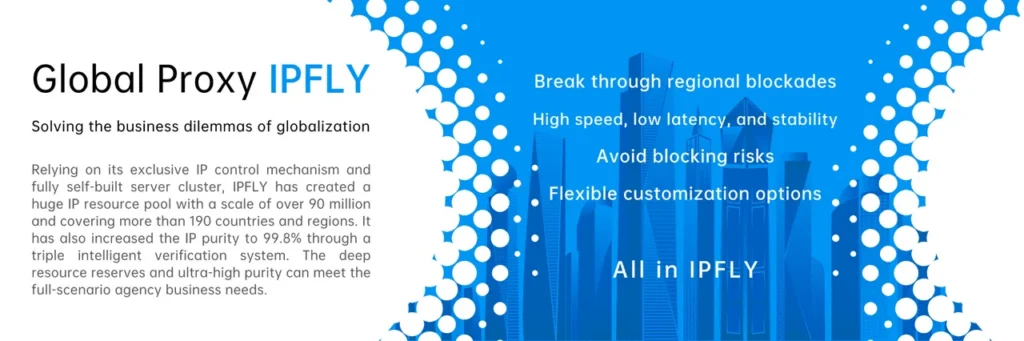
For users requiring geographic flexibility—whether for travel, research, or legitimate access to subscribed services—professional network infrastructure provides essential capabilities. IPFLY’s residential proxy network with over 90 million IPs across 190+ countries, featuring authentic ISP allocations, business-grade security, and reliable performance, enables legitimate content access while maintaining the privacy and security that modern internet usage demands.
The future of content access will likely bring further evolution in distribution models, privacy technologies, and regulatory frameworks. Staying informed, maintaining good security practices, and using quality service providers positions users to adapt successfully to these ongoing changes while enjoying the rich content ecosystem that continues developing across the digital landscape.