What is data sourcing? Simply put, it’s how businesses find and acquire the information they need to make smart decisions. But there’s more to it than just collecting random data. Data sourcing is a strategic process involving identifying what information matters to your business, locating where that data exists, figuring out how to access it legally and ethically, acquiring it efficiently and accurately, and ensuring it’s clean, current, and credible enough to base decisions on.
Think of data sourcing as the supply chain for your analytics operation. Just as manufacturers need reliable suppliers for raw materials, data-driven businesses need reliable sources for quality information. Without effective data sourcing, even the most sophisticated analytics tools and talented data scientists can’t deliver value—garbage in, garbage out, as they say.
Whether you’re running a startup analyzing your first market opportunity, an established business monitoring competitors, or an enterprise building advanced predictive models, data sourcing determines the quality of every insight you generate. Let’s explore how it works and how to do it right.
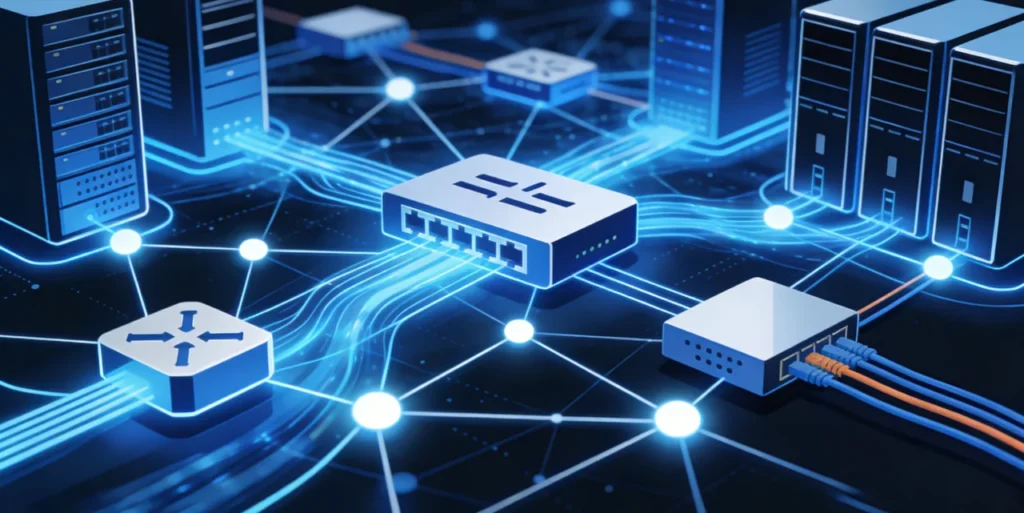
The Data Sourcing Process: How It Actually Works
Defining Your Data Requirements
Smart data sourcing starts with knowing exactly what you need. This means asking questions like: What business problem am I trying to solve? What decisions will this data support? What level of detail and accuracy do I need? How frequently does this data need to be updated? What’s my budget for acquiring this information?
Let’s use a real example. Say you’re launching a new coffee shop. You might need demographic data about the neighborhood to understand potential customers, competitor pricing from nearby cafes to price competitively, foot traffic patterns to optimize hours, customer reviews of competitors to identify service gaps, and supplier pricing to manage costs effectively.
Each of these data needs requires different sourcing approaches and comes with different costs and challenges.
Identifying Potential Data Sources
Once you know what you need, you hunt for where it exists. Data sources generally fall into a few categories:
Your own systems contain customer records, sales transactions, website analytics, support tickets, and operational data. This internal data is the easiest to access since you own it, but it only tells part of the story.
Public sources include government databases, census information, industry reports, academic research, and open datasets. These are usually free or cheap but may require significant cleaning and processing.
Commercial providers sell market research, consumer data, industry intelligence, and specialized datasets. You pay for convenience and quality, but costs can add up quickly.
The web contains product listings, pricing information, reviews, social media posts, news articles, and countless other publicly visible information. This data is technically free, but collecting it at scale requires tools and infrastructure.
Evaluating Source Quality
Not all data deserves your trust. Before committing to a source, check whether the information is accurate and up-to-date, coverage is comprehensive for your needs, updates happen frequently enough, formats are consistent and usable, and the provider is reliable and reputable.
Bad data leads to bad decisions, so spending time on quality assessment upfront saves headaches later.
Acquiring and Integrating Data
How you get data depends on the source. From your own systems, you extract it directly. From commercial vendors, you typically buy access through APIs or downloads. From public sources, you download datasets or query databases. From websites, you either use their official APIs or build web scrapers to collect the publicly available information.
The technical challenge varies widely. Downloading a CSV file is simple. Building a web scraper that collects data from thousands of websites daily without getting blocked—that’s complex.
Different Types of Data Sources
Internal Data You Already Have
Every business generates data through normal operations. E-commerce sites track every click and purchase. SaaS companies log feature usage. Restaurants record reservations and orders. This internal data is incredibly valuable because you own it completely, know exactly how it was generated, can control quality directly, and face no restrictions on how you use it.
The challenge with internal data? It’s limited to your own operations. It tells you what’s happening in your business but not what’s happening in the market, with competitors, or in the broader industry.
External Commercial Data
Data vendors make their living collecting, cleaning, and packaging information that businesses need. They offer market research and industry reports, consumer demographic and psychographic profiles, firmographic data about companies, credit and financial information, and behavioral and intent signals.
Commercial data fills gaps your internal data can’t address, but it comes at a cost and your competitors likely have access to the same information, limiting competitive advantage.
Public and Open Data
Governments, nonprofits, and open data initiatives provide enormous amounts of free information including census and demographic data, economic indicators, weather and environmental data, geographic information, and research datasets.
This data is accessible to everyone, making it a level playing field, but quality varies and you often need expertise to interpret and use it effectively.
Web Data Through Scraping
The public internet is possibly the richest data source available. Competitor websites display pricing and product details. Review sites contain customer opinions and ratings. Job boards reveal hiring trends. News sites provide market intelligence. E-commerce platforms show real-time supply and demand.
Web scraping—systematically collecting this publicly visible information—has become essential for competitive intelligence, market research, and trend analysis. But scaling web data collection brings technical challenges we’ll discuss shortly.
Web Scraping for Data Sourcing
Why Companies Scrape the Web
Businesses scrape web data for compelling reasons. Real-time competitive pricing helps retailers stay competitive. Customer review analysis reveals product strengths and weaknesses. Market trend monitoring identifies opportunities early. Job posting analysis shows industry growth and competitor expansion. News monitoring provides early signals of market shifts.
This information exists publicly on websites, but manually collecting it is impossible at any meaningful scale. A human might check ten competitor prices daily. A scraper checks thousands of prices hourly.
The Technical Reality of Web Scraping
Building a basic scraper is straightforward—send HTTP requests, parse HTML, extract data. Building a scraper that reliably collects data from thousands of sites for months or years without failing? That’s genuinely difficult.
Modern websites don’t particularly welcome automated data collection. They implement defenses including IP-based rate limiting that blocks addresses making too many requests, CAPTCHA challenges requiring human interaction, sophisticated bot detection analyzing request patterns, JavaScript-heavy sites requiring full browser rendering, and constantly changing page structures breaking extraction logic.
Overcoming these challenges requires real infrastructure including distributing requests across many IP addresses, handling errors and retries intelligently, rendering JavaScript when necessary, adapting to page structure changes, and monitoring collection health continuously.
IPFLY’s Infrastructure for Web Data Sourcing
This is where professional proxy infrastructure becomes essential. When you’re sourcing business-critical data through web scraping, you need infrastructure you can depend on.
IPFLY’s residential proxy network provides exactly that. With over 90 million residential IP addresses from real ISPs, your data collection requests look identical to regular users browsing the web. Websites don’t see datacenter IPs or VPN traffic that screams “bot”—they see authentic residential users.
Why does this matter for data sourcing? Because residential authenticity means consistent access without blocking. While datacenter proxies get blocked within hours or days, residential IPs maintain access indefinitely. Your data collection continues reliably, your pipelines stay full, and your business intelligence remains current.
IPFLY’s global coverage across 190+ countries enables sourcing data from any market. Need pricing data from Germany, inventory levels from Japan, and customer reviews from Brazil? IPFLY provides authentic residential IPs in all those markets, ensuring you get accurate regional data.
The unlimited concurrency means you can collect from thousands of sources simultaneously. Instead of sequential data collection taking days, parallel collection through IPFLY completes in hours. For businesses where data freshness matters, this speed advantage is decisive.
And with 99.9% uptime, your data sourcing doesn’t stop. Gaps in data collection mean gaps in business intelligence, potentially missing critical market moves or competitor actions. IPFLY’s reliability ensures continuous data flow supporting real-time business decisions.

Data Sourcing Across Industries
Retail and E-Commerce
Retailers source competitor pricing to stay competitive, product availability to spot stockout patterns, customer reviews to understand satisfaction drivers, market trends to predict demand, and new product launches to identify threats.
This continuous market intelligence supports dynamic pricing, inventory optimization, product selection, and competitive positioning. The data comes primarily from competitor websites and marketplaces, requiring robust web scraping infrastructure.
Financial Services
Financial firms source traditional market data alongside alternative data from social media sentiment, satellite imagery showing economic activity, web traffic indicating business health, and employment trends revealing economic shifts.
This multi-source approach provides information advantages enabling better investment decisions, risk assessment, and market timing.
Real Estate
Real estate professionals source property listings, transaction comparables, neighborhood demographics, school quality ratings, crime statistics, and development permits.
Aggregating this scattered data from MLS systems, public records, and various websites creates comprehensive property intelligence supporting valuation, investment, and sales decisions.
Marketing and Advertising
Marketers source competitor advertising strategies, customer sentiment and reviews, social media trends, influencer performance, and content engagement metrics.
This intelligence shapes campaign development, channel selection, creative strategy, and budget allocation for more effective marketing.
Healthcare and Research
Healthcare organizations source clinical trial data, medical literature, drug pricing, patient outcomes, and disease prevalence data.
Research-oriented sourcing supports evidence-based medicine, drug development, and treatment optimization while navigating strict privacy requirements.
Building an Effective Data Sourcing Strategy
Start With Business Objectives
Don’t source data because you can. Source data because it answers specific business questions. Define what decisions you need to make, what information would improve those decisions, how frequently you need updates, what accuracy levels are required, and what you’re willing to invest.
Clear objectives prevent wasting resources on interesting but ultimately useless data.
Balance Build vs. Buy Decisions
For each data need, evaluate whether building collection capabilities internally makes sense, purchasing from established vendors is more efficient, or combining multiple approaches works best.
Consider total cost over time, required technical expertise, speed of implementation, ongoing maintenance burden, and data uniqueness and competitive advantage.
Design for Quality From the Start
Build quality into your sourcing process rather than trying to fix it later. Validate data against multiple sources when possible. Implement automated quality checks catching obvious errors. Monitor for data drift and degradation over time. Document data lineage showing where information came from.
Quality data costs more to collect but saves far more by preventing bad decisions based on flawed information.
Plan for Growth and Scale
Design your data sourcing infrastructure to scale as needs grow. Use proper databases rather than spreadsheets. Build automated pipelines instead of manual processes. Implement monitoring and alerting for problems. Document everything so knowledge doesn’t leave with individuals.
Infrastructure that works for 100 records often breaks at 100,000. Planning for scale from the start prevents costly rebuilds later.
Maintain Compliance and Ethics
Data sourcing must respect legal frameworks around intellectual property, privacy regulations, website terms of service, and data protection laws.
Implement proper safeguards, document compliance measures, train teams on requirements, and consult legal counsel for commercial applications. Ethical, compliant data sourcing builds sustainable competitive advantages rather than legal liabilities.
Common Data Sourcing Challenges
Access and Blocking Issues
When scraping web data, you’ll encounter IP blocking from too many requests, CAPTCHA challenges interrupting collection, rate limiting slowing progress, and detection systems identifying automated access.
The solution requires quality proxy infrastructure that appears as legitimate users rather than bots. IPFLY’s residential proxies solve this problem by making your data collection indistinguishable from regular user traffic.
Data Quality Problems
Different sources provide different quality levels. You’ll find incomplete records, inconsistent formats, outdated information, and contradictory data from multiple sources.
Address quality through robust validation, cross-referencing, quality scoring, and clear data lineage tracking.
Integration Complexity
Data from different sources uses different formats, structures, schemas, and update schedules. Creating unified, usable datasets requires significant transformation and integration work.
Build flexible data pipelines handling various input formats, implement schema mapping, create standardized output formats, and maintain comprehensive documentation.
Keeping Data Current
Data ages quickly. Competitor prices change hourly. Customer sentiment shifts daily. Market trends emerge weekly. One-time data collection becomes outdated almost immediately.
Implement automated refresh processes, schedule updates based on data volatility, detect and flag stale information, and monitor for changes requiring immediate updates.
Managing Costs
Data sourcing expenses add up through commercial data purchases, infrastructure and tools, personnel time, and storage and processing costs.
Control costs by prioritizing high-value sources, using efficient collection methods, monitoring spending, and regularly evaluating ROI.
The Future of Data Sourcing
AI and Automation
Artificial intelligence is transforming data sourcing through automated source discovery, intelligent quality assessment, smart integration, and predictive recommendations.
AI-powered sourcing will reduce manual effort while improving quality and relevance.
Real-Time Data
Businesses increasingly need data in real-time rather than batch updates. Future sourcing emphasizes streaming collection, event-driven architectures, continuous pipelines, and instant availability.
Real-time sourcing enables responsive, agile business operations.
Privacy-Preserving Techniques
Growing privacy concerns drive innovation in differential privacy, federated learning, anonymization, and synthetic data generation.
These techniques will enable valuable insights while protecting individual privacy.
Data Marketplaces
Specialized marketplaces are emerging with curated data catalogs, standardized access, quality guarantees, and easier discovery.
Marketplaces will make certain data sourcing simpler and more reliable.
Your Next Steps in Data Sourcing
Ready to improve your data sourcing? Here’s where to start:
Assess your current state. What data do you already collect? What gaps exist? What decisions would benefit from better data?
Prioritize your needs. Which data would drive the most value? What’s feasible to source with current resources? What requires new capabilities?
Start small and iterate. Choose one high-value data source. Build the collection process. Validate quality. Demonstrate value. Then expand.
Invest in infrastructure. For web data sourcing, professional proxy infrastructure like IPFLY isn’t optional—it’s fundamental to reliable collection.
Build for the long term. Create scalable, maintainable processes. Document everything. Implement quality controls. Plan for growth.
Data Sourcing as Competitive Advantage
What is data sourcing? It’s how businesses acquire the information they need to compete effectively in data-driven markets. Done well, it provides timely, accurate, comprehensive intelligence supporting better decisions, faster responses, and deeper insights.
The companies that source data effectively simply know more than competitors. They spot opportunities earlier, understand customers better, respond to threats faster, and make decisions based on evidence rather than hunches.
But effective data sourcing requires strategy, not just tactics. It requires quality infrastructure, not just scripts. It requires professional execution, not just good intentions.
For web data sourcing in particular, infrastructure quality determines success. IPFLY’s residential proxy network provides the foundation serious businesses need through 90+ million authentic residential IPs preventing blocking, global coverage supporting international sourcing, unlimited scale handling enterprise needs, 99.9% reliability keeping data flowing, and professional support ensuring operational success.
Whether you’re just starting to build data sourcing capabilities or scaling existing operations, focus on clear objectives, appropriate sources, quality infrastructure, legal compliance, and continuous improvement.
In today’s business environment, effective data sourcing isn’t optional—it’s essential. The question isn’t whether to invest in data sourcing, but whether to do it well enough to gain competitive advantage or poorly enough to waste resources without results.
Choose quality over quantity, reliability over convenience, and professional infrastructure over makeshift solutions. Your business decisions deserve better than guesswork—give them the data foundation they need to drive real results.