
Most people learn web scraping the boring way: they scrape a static Wikipedia page, download a CSV of 1000 products, and then never touch the project again. The problem isn’t scraping itself—it’s the data. Static, one-off datasets don’t teach you the real-world skills you need: cleaning messy data, handling missing values, detecting changes over time, and answering questions that actually matter.
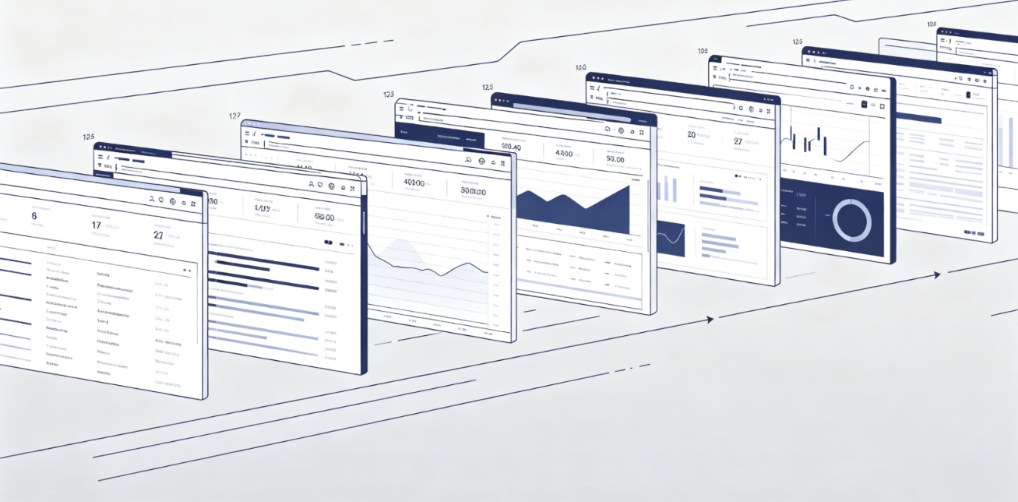
The fix is simple: scrape dynamic data that changes. When prices go up and down, jobs get posted and removed, and apps get updated, your analysis suddenly has purpose. Even if it’s just for practice, you’ll build skills that translate directly to professional data roles.
In this guide, we’ll share 6 unusual, dynamic data sources that are perfect for practicing scraping and analytics. Each one is public, easy to scrape with basic skills, and changes often enough to keep your projects interesting.
What Makes a Great Practice Dataset?
A good practice dataset isn’t about size—it’s about teaching you real habits. The best sources check these 5 boxes:
1.Clear, repeatable structure: Look for pages with consistent patterns like product cards, job listings, or event rows. This makes parsing easier and lets you focus on analysis instead of fighting messy HTML.
2.Stable unique identifiers: Use product IDs, post URLs, or version numbers to track the same item over time. This eliminates duplicates and lets you detect changes between scrapes.
3.Time value: The data changes regularly. A single snapshot teaches you basic parsing, but a dataset collected over weeks or months teaches you time-series analysis and trend detection.
4.Actionable questions: Start with a specific question you want to answer, not just “I want to scrape 10,000 rows.” “Did coffee prices go up this quarter?” is much more motivating than an empty spreadsheet.
5.Ethical access: Stick to public pages, keep your request rate low, and respect the site’s robots.txt. Practice should never harm someone else’s website.
6 Unusual Data Sources to Scrape for Practice
Each of these sources is overlooked but incredibly valuable for learning. We’ll cover what to scrape, what questions to answer, and common pitfalls to avoid.
Online Catalog Price History
Online catalogs are common, but their real value is in tracking changes over time. Instead of scraping 1000 products once, scrape 50-200 products daily for a month to build a price history dataset.
What to collect:
- Product name, brand and unique ID
- Current price and original MSRP
- Discount labels and promotion start/end dates
- Stock status (in stock, preorder, out of stock)
- Category and product tags
What to analyze:
- Average price change per category over time
- Which products are discounted most often, and by how much
- Out-of-stock patterns (do weekends have more stockouts?)
- Price stickiness (how long prices stay the same before changing)
Beginner tip: Start with a small niche you care about, like board games, coffee, or skincare. You’ll be more motivated to analyze data about things you’re interested in.
Job Ads for Skills and Salary Trends
Job boards are underrated goldmines for data. Each job post is a semi-structured document full of insights about the job market, in-demand skills, and salary ranges.
What to collect:
- Job title and company name
- Location (remote, hybrid, in-office)
- Required and nice-to-have skills
- Salary range (if listed)
- Posting date and expiration date
What to analyze:
- Which skills are most in-demand for your target role
- Average salary by skill and experience level
- The rise of remote and hybrid work in your industry
- Which companies are hiring the most
Beginner tip: Normalize skill names to avoid duplicates (e.g., “PostgreSQL” and “Postgres” are the same skill). Store the original post URL as your unique ID to track updates or removals.
Full-Industry Proxy IP Application Solutions
Power scalable growth for every cross-border business scenario with IPFLY’s reliable global proxy network
App Release Notes
Release notes are pre-sorted by version and date, making them perfect for learning how to work with time-series text data. They also reveal how companies prioritize product development over time.
What to collect:
- App name and developer
- Version number
- Release date
- Individual bullet points (features, improvements, bug fixes)
- Custom tags you add (security, performance, UI, payments)
What to analyze:
- How often the app releases updates
- The ratio of new features to bug fixes over time
- Which product areas get the most attention
- Common issues that keep getting fixed
Beginner tip: Start with 3-5 apps you use every day. You’ll already have context for the changes, which makes analysis easier.
Local Event Listings
Local event listings are perfect for learning about seasonality and demand patterns. They’re also easy to scrape and produce interesting, actionable results.
What to collect:
- Event title and description
- Date and time
- Category (music, tech, sports, food, etc.)
- Venue and neighborhood
- Ticket price (or free)
- Organizer name
What to analyze:
- Which days of the week have the most events
- The ratio of free to paid events by category
- Seasonal peaks (festival season, holiday markets)
- Which neighborhoods host the most events
Beginner tip: Scrape events in your own city. You can even turn your dataset into a simple weekly email of free events for your friends.
Restaurant Menus
Restaurant menus seem simple, but they’re surprisingly challenging to parse, making them great practice for messy real-world data. They also reveal interesting trends in food prices and dietary options.
What to collect:
- Restaurant name and location
- Dish name and description
- Price
- Category (starter, main, dessert, drinks)
- Dietary tags (vegan, gluten-free, nut-free) if listed
What to analyze:
- Median price per dish by cuisine type
- The percentage of restaurants offering vegan options by neighborhood
- Price changes over time for common dishes like burgers or pizza
- Most common ingredients in each category
Beginner tip: Stick to restaurants with HTML menus, not PDF or image menus. Those are much harder to parse for beginners.
Service Status Pages
Status pages are unique because they track failures and incidents, not just positive information. Scraping them teaches you how to work with event logs instead of just lists of items.
What to collect:
- Incident title
- Start time and end time
- Total duration (calculate this automatically)
- Affected components (API, web app, payments, etc.)
- Severity level
- All status updates with timestamps
What to analyze:
- Which components fail most often
- Average incident duration over time
- Time-of-day patterns (do outages happen more often during maintenance windows?)
- Which services have the best and worst uptime
Beginner tip: Start with the status pages of popular services you use, like GitHub, Spotify, or Discord.

Static datasets will only teach you so much. By scraping dynamic, changing data sources, you’ll build real-world skills in data cleaning, time-series analysis, and problem-solving that will make you a better data analyst or developer.
As your projects grow, you may run into IP blocks, especially if you’re scraping daily. Reliable proxies act as a safety net, keeping your data flow stable and preventing interruptions. IPFLY’s residential proxies are perfect for practice and small projects, with affordable pay-as-you-go pricing and automatic IP rotation to avoid blocks.
Pick one source that interests you, define a clear question to answer, and start small. After a few weeks of consistent scraping, you’ll have a unique dataset that tells a story about the world—something no static textbook dataset can ever match.