Artificial intelligence has seen rapid advancements in the past decade, with large language models (LLMs) becoming more capable, versatile, and integrated into everyday workflows. Among these breakthroughs, GPT-5 stands out as one of the most anticipated developments. It promises not just incremental improvements over GPT-4, but a leap in natural language understanding, reasoning, and multi-modal processing.
In this article, we’ll break down what GPT-5 is, how it differs from previous versions, and why stable API access — often overlooked — is crucial for anyone planning to integrate GPT-5 into business or research workflows.
What is GPT-5?
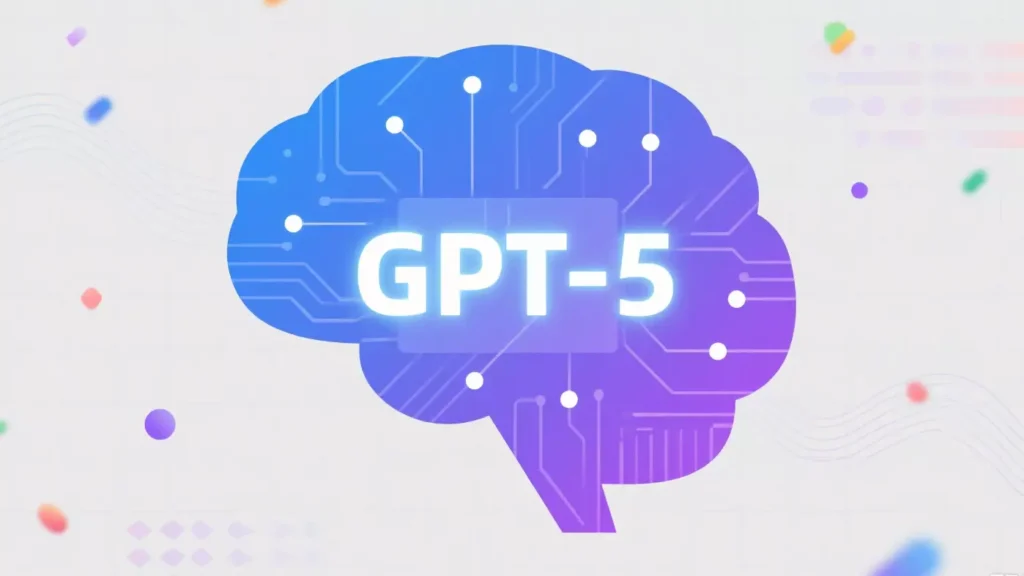
GPT-5 (Generative Pre-trained Transformer 5) is the latest generation of OpenAI’s large language model series. It builds on the foundation of GPT-4 but with more advanced training techniques, a larger and more diverse dataset, and optimizations for reasoning, factual accuracy, and contextual awareness.
The primary goals of GPT-5 include:
- Improved reasoning ability – Better at handling multi-step logic and problem solving.
- Higher factual reliability – Enhanced guardrails to reduce misinformation.
- Broader multi-modal capabilities – Supporting not just text, but images, audio, and potentially video.
- More efficient performance – Faster responses and optimized for large-scale deployments.
These improvements mean GPT-5 can be applied to more complex domains — from scientific research to automated business processes — while producing more accurate and coherent results.
How GPT-5 Differs from GPT-4
While GPT-4 was already a significant upgrade in reasoning and creativity, GPT-5 takes the next step in several areas:
Context Length Expansion
GPT-5 can process much longer documents or conversations in a single session. This means it can maintain a deep understanding of context over extended interactions, ideal for technical writing, legal document review, or long-form creative projects.
Improved Factual Grounding
GPT-5 is better at cross-referencing its own generated output with verified information, leading to fewer hallucinations. This is crucial for domains where factual accuracy is non-negotiable, such as finance, healthcare, or academic research.
Multi-modal Integration
GPT-5 moves further toward a “universal AI” by allowing users to combine text with other media types. Imagine generating a report that includes AI-created diagrams based on your textual input — all in one API call.
Customizability
Businesses can fine-tune GPT-5 more effectively for their specific needs, ensuring the model reflects industry-specific terminology and workflow requirements.
API Access and Stability: The Hidden Challenge
For many, GPT-5 will be accessed not via a chat interface but through an API — the backbone of automation, app integration, and enterprise-scale AI use. But here’s the catch: AI APIs are only as useful as their stability and uptime. Network restrictions, rate limits, or IP-based blocks can suddenly disrupt access.
These issues are especially common when APIs are accessed from multiple regions or when security systems flag unusual traffic patterns. This is where a reliable proxy infrastructure becomes essential.
Why Proxies Matter for GPT-5 Integration
If you rely on GPT-5 for mission-critical operations — say, automated content generation, real-time data analysis, or customer support chatbots — even brief API downtime can have costly consequences. Proxies can help by:
- Bypassing IP-based restrictions that might prevent API calls from certain locations.
- Balancing traffic load across multiple IPs to avoid rate limiting.
- Ensuring geographic flexibility so your API requests can originate from regions with optimal latency.
When it comes to large-scale deployments, using high-quality residential or datacenter proxies ensures your GPT-5 API access remains uninterrupted, even under strict network controls.
Full-Industry Proxy IP Application Solutions
Power scalable growth for every cross-border business scenario with IPFLY’s reliable global proxy network
How IPFLY Fits Into This

This is where IPFLY comes into the picture. Known for its large proxy pool covering 190+ countries, IPFLY offers both residential and datacenter proxies that can be integrated into your API workflows.
For GPT-5 users, IPFLY’s infrastructure can help in several ways:
- Stable APIconnectivity for continuous AI-driven operations.
- Dynamic residential IPs to mimic real user traffic, reducing the risk of API throttling.
- High success rates thanks to self-built servers and smart IP rotation.
By weaving IPFLY proxies into your GPT-5 deployment, you create a safeguard against disruptions, ensuring your AI-driven applications run smoothly 24/7.
Potential Use Cases for GPT-5
The combination of GPT-5’s enhanced capabilities and stable API access opens up a huge range of possibilities:
- Customer Support Automation – Multi-lingual, context-aware virtual assistants that handle complex queries without losing conversation history.
- Data-Driven Content Creation – Automated generation of articles, reports, and research summaries at scale.
- Market Intelligence – Analyzing large datasets, extracting patterns, and producing insights in real-time.
- Creative Industries – Writing scripts, brainstorming marketing campaigns, or generating design concepts.
- Education & Training – Delivering personalized tutoring sessions that adapt to the learner’s progress over time.
In each of these scenarios, the reliability of the connection between your application and the GPT-5 API is as important as the intelligence of the AI itself.
Preparing for GPT-5 Deployment
If you’re planning to adopt GPT-5 in your operations, here’s a checklist:
- Evaluate Your Use Case – Determine whether GPT-5 will be used for real-time interactions, batch processing, or research assistance.
- Secure API Stability – Set up a robust proxy solution, like IPFLY, to prevent downtime caused by IP bans or rate limits.
- Plan for Scaling – GPT-5 is powerful, but heavy usage can rack up costs quickly. Consider implementing request batching and caching.
- Maintain Data Privacy – Ensure compliance with local regulations when routing API traffic through proxies.
- Train Staff – Provide clear guidelines for prompt design, API integration, and troubleshooting.
Conclusion

GPT-5 represents a significant leap forward in AI technology, with deeper reasoning, better factual grounding, and expanded multi-modal capabilities. But to unlock its full potential — especially in enterprise and research applications — stable API access is a must.
By combining GPT-5’s capabilities with a reliable proxy provider like IPFLY, you can safeguard your workflows from downtime, maintain consistent performance, and operate at a truly global scale.
Visit IPFLY to learn how our proxy services can enhance your experience with GPT-5.
Join our Telegram community to stay updated on AI, proxy solutions, and real-world GPT-5 use cases.