

#headless browser#web automation#headless Chrome#Puppeteer proxy#Playwright automation#residential proxies#web scraping#anti-detection browsing#IP rotation#data center proxies#browser fingerprinting#automated testing#IPFLY proxy network
Discover how headless browsers enable secure web automation. Learn technical implementation, anti-detection strategies, and how IPFLY’s residential proxy infrastructure ensures scalable, anonymous data collection.
In modern web development and data operations, headless browser technology has emerged as a critical infrastructure component for organizations requiring automated interaction with web resources. Unlike traditional browsers that render graphical user interfaces, a headless browser operates without a visible window, executing JavaScript, rendering DOM elements, and handling network requests programmatically.
This technology enables developers and data professionals to automate complex web interactions—from dynamic content extraction to comprehensive application testing—while maintaining the full rendering capabilities of conventional browsers. As web applications increasingly rely on JavaScript frameworks and dynamic content loading, headless browsers have become indispensable for tasks requiring genuine browser behavior without manual intervention.
The evolution of headless browser technology reflects broader trends in automation and data intelligence. Modern implementations support multiple browser engines, sophisticated debugging capabilities, and integration with proxy infrastructure to ensure operational security and scalability. Understanding the technical foundations, implementation strategies, and infrastructure requirements of headless browsers is essential for organizations seeking to build reliable, maintainable automation systems.
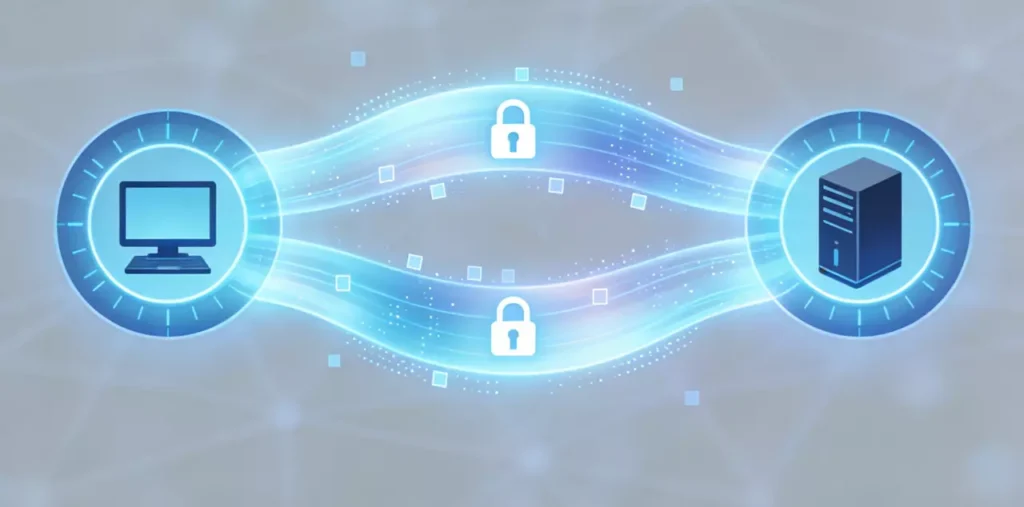
What Is a Headless Browser? Technical Definition and Core Functionality
Defining Headless Browser Operations
A headless browser is a web browser without a graphical user interface that can be controlled programmatically through APIs or command-line interfaces. These browsers execute the complete rendering engine—including HTML parsing, CSS computation, JavaScript execution, and DOM manipulation—while operating entirely in memory without displaying visual output.
The technical architecture of headless browsers enables several critical capabilities:
Full JavaScript Execution Environment: Unlike simple HTTP clients, headless browsers maintain complete JavaScript engines capable of executing complex client-side code, handling asynchronous operations, and managing modern framework applications built with React, Angular, or Vue.js.
DOM Interaction and Event Simulation: Headless browsers can simulate genuine user interactions including clicks, form submissions, scrolling, and keyboard input. This capability allows automation scripts to navigate multi-step workflows, handle authentication sequences, and interact with dynamic interface elements.
Network Request Management: Comprehensive control over network operations enables interception, modification, and monitoring of HTTP/HTTPS requests and responses. This functionality supports authentication handling, request header manipulation, and response content analysis.
Rendering and Screenshot Capabilities: Despite lacking visible output, headless browsers can capture full-page screenshots, generate PDF documents, and extract computed styles—functionality essential for visual regression testing and content archival.
Primary Headless Browser Implementations
The contemporary headless browser ecosystem comprises several mature implementations, each offering distinct technical advantages:
Headless Chrome/Chromium: Google’s Chrome browser provides native headless operation through command-line flags and the Chrome DevTools Protocol. This implementation offers superior JavaScript performance, comprehensive web standards support, and seamless integration with automation frameworks.
Headless Firefox: Mozilla Firefox supports headless operation through its Gecko engine, providing cross-browser testing capabilities and standards-compliant rendering for organizations requiring multi-browser validation.
WebKit Headless: Safari’s underlying engine supports automated operation, enabling testing specifically targeting Apple ecosystem compatibility and WebKit-specific rendering behaviors.
Headless Browser Applications: Enterprise and Development Use Cases
Web Application Testing and Quality Assurance
Headless browsers serve as the foundation for modern automated testing frameworks. Development teams utilize these tools to execute comprehensive test suites covering functional validation, performance benchmarking, and cross-browser compatibility verification.
Continuous Integration Pipelines: Headless browsers integrate seamlessly with CI/CD workflows, enabling automated testing on every code commit without requiring display server infrastructure. This integration supports parallel test execution, reducing feedback cycles and accelerating development velocity.
Visual Regression Testing: By capturing and comparing screenshots across browser versions, teams can detect unintended visual changes in user interfaces. Headless operation ensures consistent, reproducible rendering environments for pixel-perfect comparison.
Performance Monitoring: Automated measurement of Core Web Vitals metrics—including Largest Contentful Paint, First Input Delay, and Cumulative Layout Shift—enables proactive identification of performance degradation.
Data Collection and Market Intelligence
For organizations engaged in competitive analysis, price monitoring, or market research, headless browsers provide essential capabilities for accessing JavaScript-rendered content inaccessible to traditional scraping tools.
Dynamic Content Extraction: Modern websites increasingly load content asynchronously through JavaScript API calls. Headless browsers execute these scripts natively, enabling extraction of data from single-page applications, infinite scroll implementations, and dynamically populated tables.
Multi-step Data Navigation: Complex data retrieval often requires form submission, authentication, pagination handling, and session management. Headless browsers maintain state across navigation sequences, enabling automation of sophisticated data gathering workflows.
JavaScript-heavy Platform Interaction: Social media monitoring, e-commerce analytics, and financial data aggregation frequently require interaction with platforms built exclusively on JavaScript frameworks. Headless browsers provide the only reliable mechanism for programmatic access to these resources.
Business Process Automation
Beyond testing and data collection, headless browsers enable automation of repetitive web-based business processes:
Form Automation and Submission: Automated completion of web forms for lead generation, application processing, or regulatory reporting reduces manual data entry requirements and improves processing consistency.
Document Generation and Archival: Conversion of web-based reports, dashboards, or confirmations to PDF format supports compliance documentation, invoice processing, and record-keeping requirements.
Monitoring and Alerting: Scheduled headless browser execution enables proactive monitoring of competitor pricing, inventory availability, or service status, triggering alerts when specified conditions are detected.
The Critical Role of Proxy Infrastructure in Headless Browser Operations
Understanding Detection Mechanisms and Operational Risks
While headless browsers provide powerful automation capabilities, their operation presents distinct detection risks that can compromise data collection efforts. Modern anti-bot systems employ sophisticated fingerprinting techniques to identify automated traffic, including :
- Browser API Fingerprinting: Detection of headless-specific properties such as
navigator.webdriverflags, modified user agent strings, or missing browser plugins - Behavioral Analysis: Identification of non-human interaction patterns including perfectly consistent timing, absence of mouse movement, or unrealistic scrolling velocities
- JavaScript Challenge Execution: Evaluation of JavaScript execution environments to detect automation frameworks or modified runtime behaviors
- IP Reputation Analysis: Correlation of request sources with known data center ranges or previously flagged addresses
Effective headless browser deployment requires comprehensive strategies to address these detection vectors, with proxy infrastructure serving as a fundamental component of operational security.
Proxy Integration Requirements for Headless Automation
Proxy servers function as intermediaries between headless browser instances and target web servers, masking origin IP addresses and enabling geographic distribution of requests. For headless browser operations, proxy infrastructure must address several technical requirements :
IP Rotation and Session Management: Continuous operation from single IP addresses inevitably triggers rate limiting or blocking. Sophisticated proxy implementations provide automatic IP rotation, distributing requests across large address pools to maintain access continuity.
Geographic Distribution and Geo-targeting: Many web services deliver location-specific content based on request origin. Access to geographically distributed proxy endpoints enables collection of localized pricing, availability, or content variations essential for comprehensive market analysis.
Protocol Compatibility: Headless browsers require proxy support for HTTP, HTTPS, and SOCKS5 protocols to ensure compatibility with diverse automation frameworks including Puppeteer, Playwright, and Selenium.
Anonymity and Residential IP Access: Data center IP addresses carry elevated risk scores in anti-bot systems. Residential proxy IPs—assigned to genuine ISP customers—provide significantly higher trust scores and reduced detection rates.
IPFLY Proxy Solutions: Infrastructure for Professional Headless Browser Operations
Comprehensive IP Resource Architecture
IPFLY provides enterprise-grade proxy infrastructure specifically engineered to support demanding headless browser automation requirements. The service architecture addresses the critical infrastructure needs identified in professional automation deployments.
Global Residential IP Pool: IPFLY maintains a resource library exceeding 90 million residential proxy addresses distributed across 190+ countries and regions. This scale ensures availability of diverse, high-trust IP addresses essential for maintaining access to protected web resources during extended automation campaigns.
Multi-protocol Support: All IPFLY proxy offerings support HTTP, HTTPS, and SOCKS5 protocols, ensuring seamless integration with headless browser frameworks including Puppeteer, Playwright, Selenium, and proprietary automation tools. This compatibility eliminates protocol-related configuration constraints during implementation.
Three-Tier Proxy Architecture: IPFLY offers distinct proxy categories optimized for specific automation scenarios:
- Static Residential Proxies: Permanently allocated ISP-assigned addresses maintaining consistent identity across sessions. These proxies replicate genuine residential network environments with unlimited traffic allocation, ideal for long-term account management or persistent session requirements.
- Dynamic Residential Proxies: Rotating addresses from real user devices with configurable rotation intervals. The 90+ million address pool supports high-frequency rotation suitable for large-scale data collection operations requiring maximum anonymity.
- Datacenter Proxies: High-performance exclusive addresses optimized for speed-intensive applications. These proxies combine low-latency connectivity with high purity IP pools for scenarios prioritizing throughput over residential IP authenticity.
Technical Advantages for Automation Workflows
Unlimited Concurrency Architecture: IPFLY’s dedicated high-performance server infrastructure supports massive concurrent request volumes without artificial connection limits. This capability enables horizontal scaling of headless browser fleets, allowing organizations to parallelize automation tasks across hundreds or thousands of simultaneous browser instances.
Multi-layered IP Filtering: Proprietary big data algorithms combined with rigorous selection mechanisms ensure IP quality and purity. This filtering minimizes the risk of encountering previously blacklisted addresses or contaminated IP ranges that could compromise automation success rates.
Operational Reliability: IPFLY maintains 99.9% uptime service level objectives, with high-speed operations designed to maintain exceptional success rates during critical business operations. This reliability ensures that scheduled automation workflows execute without interruption.
Security and Compliance: High-standard encryption protocols prevent data leakage during proxy transmission, protecting sensitive automation payloads and collected intelligence. All IP resources originate from legitimate end-user devices, ensuring compliance with platform terms of service regarding genuine user traffic.
Integration Scenarios and Use Case Alignment
IPFLY proxy infrastructure aligns with specific headless browser automation requirements across diverse operational contexts:
Cross-border E-commerce Operations: Static residential proxies enable persistent identity maintenance across marketplace platforms, supporting seller account management, competitive pricing monitoring, and inventory tracking without triggering platform security mechanisms.
Social Media Automation: Dynamic residential proxy rotation supports content publishing, engagement monitoring, and audience analysis across social platforms while maintaining compliance with platform automation policies through genuine residential IP presentation.
Financial Data Aggregation: High-reliability datacenter proxies enable rapid collection of market data, pricing information, and regulatory filings where speed and consistency supersede residential IP requirements.
Ad Verification and Compliance: Geographic distribution of residential IPs enables verification of ad serving, placement quality, and competitive creative analysis across multiple markets simultaneously.
Best Practices for Headless Browser and Proxy Integration
Technical Implementation Strategies
Browser Fingerprint Management: Implement stealth plugins and fingerprint randomization to mask headless browser characteristics. Tools such as Puppeteer-Stealth or Playwright’s stealth configurations modify browser APIs to present standard browser signatures.
Request Timing Randomization: Introduce variable delays between actions to simulate human interaction patterns. Avoid perfectly consistent timing intervals that trigger behavioral detection algorithms.
Viewport and User Agent Rotation: Vary browser viewport dimensions and user agent strings across sessions to prevent device fingerprinting. Maintain consistency between declared user agents and proxy geographic locations.
Session Persistence Management: For workflows requiring authentication or state maintenance, utilize static residential proxies to ensure IP consistency throughout session duration. IPFLY’s static residential offerings provide permanently allocated addresses ideal for this requirement.
Operational Security Considerations
Rate Limiting and Request Throttling: Implement intelligent throttling mechanisms to distribute request volume across time windows, preventing pattern-based detection even when utilizing rotating proxy infrastructure.
CAPTCHA Handling Integration: Prepare automated response mechanisms for challenge interception. While residential proxies minimize CAPTCHA frequency, comprehensive automation requires integration with solving services or human-in-the-loop systems for occasional challenges.
Monitoring and Alerting: Implement comprehensive logging of proxy performance metrics including success rates, response times, and block frequencies. This telemetry enables proactive identification of IP quality degradation or target site countermeasure changes.
Frequently Asked Questions About Headless Browsers and Proxy Integration
What distinguishes headless browsers from traditional web scrapers?
Traditional web scrapers operate at the HTTP protocol level, parsing static HTML responses without executing JavaScript. Headless browsers provide complete browser environments capable of rendering dynamic content, executing client-side scripts, and simulating user interactions. This capability enables access to modern web applications built on JavaScript frameworks that are inaccessible to conventional scraping tools.
Are headless browsers detectable by websites?
Yes, headless browsers can be detected through various fingerprinting techniques including JavaScript API analysis, behavioral pattern recognition, and runtime environment inspection. However, detection can be mitigated through stealth configurations, fingerprint randomization, and—critically—integration with high-quality residential proxy infrastructure such as IPFLY to mask automation indicators and present genuine user traffic patterns.
Why are residential proxies preferred for headless browser automation?
Residential proxies utilize IP addresses assigned by Internet Service Providers to actual residential customers. These addresses carry significantly higher trust scores than data center IPs because they represent genuine user traffic patterns. When combined with headless browsers, residential proxies dramatically reduce detection rates and blocking frequency, enabling sustained access to protected resources.
How does IP rotation work with headless browsers?
IP rotation involves distributing requests across multiple proxy addresses to prevent rate limiting or IP-based blocking. In headless browser contexts, rotation can occur at configurable intervals—per request, per session, or timed rotations. IPFLY’s dynamic residential proxy service automates this rotation while maintaining session persistence when required, ensuring optimal anonymity without operational complexity.
What protocols must proxies support for headless browser compatibility?
Comprehensive headless browser automation requires proxy support for HTTP, HTTPS, and SOCKS5 protocols. HTTP/HTTPS proxies handle standard web traffic, while SOCKS5 provides lower-level socket connections necessary for certain automation scenarios and enhanced privacy. IPFLY’s proxy infrastructure supports all three protocols, ensuring compatibility with Puppeteer, Playwright, Selenium, and custom automation frameworks.
How do static and dynamic proxies differ in automation contexts?
Static proxies maintain consistent IP addresses across sessions, enabling persistent identity for account management or long-term monitoring. Dynamic proxies rotate addresses periodically, maximizing anonymity for high-volume data collection. IPFLY offers both configurations: static residential proxies for persistent operations requiring fixed identities, and dynamic residential proxies for scenarios prioritizing anonymity and scale.

Building Robust Automation Infrastructure
Headless browser technology represents a foundational capability for modern web automation, enabling programmatic interaction with dynamic web applications, comprehensive testing workflows, and sophisticated data collection operations. However, the effectiveness of headless automation depends fundamentally on underlying network infrastructure.
The integration of enterprise-grade proxy services addresses critical operational requirements including detection avoidance, geographic flexibility, and scalable request distribution. IPFLY provides purpose-built proxy infrastructure supporting professional headless browser deployments, with a 90+ million residential IP pool, multi-protocol compatibility, and architecture designed for unlimited concurrency.
Organizations implementing headless browser automation should prioritize comprehensive proxy integration, selecting providers offering residential IP resources, geographic diversity, and operational reliability. By combining technical best practices in browser fingerprint management with robust proxy infrastructure, development teams can build automation systems capable of sustained, scalable operation in increasingly sophisticated web environments.
As anti-detection technologies continue evolving, the synergy between advanced headless browser configurations and high-quality proxy infrastructure will remain essential for legitimate automation use cases including market research, competitive analysis, and application quality assurance.
About IPFLY: IPFLY delivers enterprise proxy solutions featuring over 90 million residential IPs across 190+ countries, supporting HTTP/HTTPS/SOCKS5 protocols with 99.9% uptime. The service offers static residential, dynamic residential, and datacenter proxy options designed for professional web automation, data collection, and cross-border business operations.