In the digital age, information isn’t just valuable — it’s the foundation of decision-making, innovation, and competitive growth. Behind the scenes, one of the most powerful technologies driving this data-driven world is something called a scraper.
If you’ve ever come across the term “scraper for” — whether it’s a scraper for e-commerce, social media, or search engines — you’ve encountered the core of automated data collection.
This article explores what a scraper is, how it works, why it’s essential for research and digital development, and how global proxy infrastructures like IPFLY enable scrapers to operate efficiently, securely, and ethically.
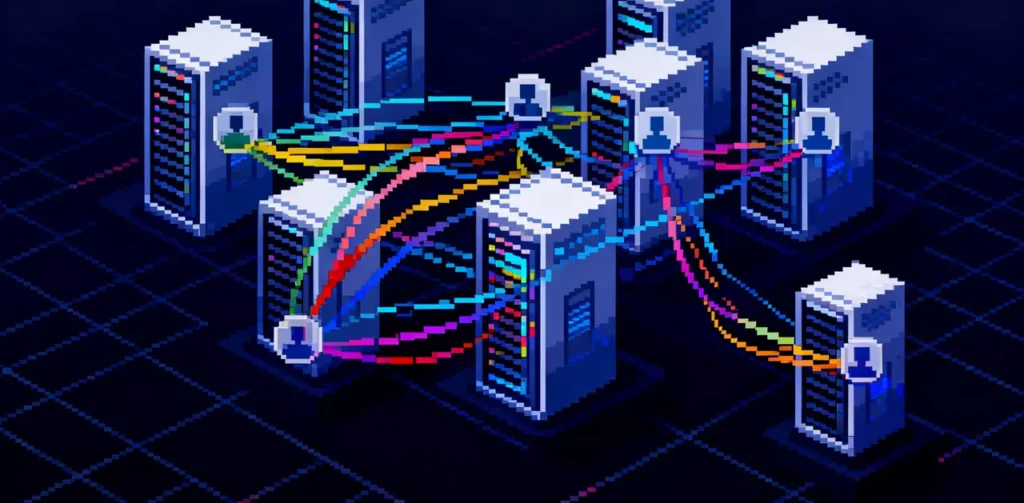
Understanding What a Scraper Is
A scraper is an automated program or software tool designed to collect data from websites. Instead of manually copying information from a web page, a scraper mimics human browsing behavior to extract large volumes of data in a structured format — typically for analysis, monitoring, or research purposes.
When someone says “scraper for,” they are usually referring to a specific application — for example:
1.Scraper for market research
2.Scraper for e-commerce pricing
3.Scraper for SEO analytics
4.Scraper for academic data collection
5.Scraper for news aggregation
Each scraper is built around the same core principle: accessing and parsing web data efficiently, without human intervention.
How a Scraper Works
Scrapers operate using a combination of automation, data parsing, and network routing. Here’s a simplified breakdown of how they function:
1.Request Phase – The scraper sends HTTP or HTTPS requests to a web page’s server.
2.Extraction Phase – Once the server responds, the scraper identifies the specific HTML or JSON elements containing the desired data.
3.Parsing Phase – The extracted data is cleaned, organized, and stored in a readable format (e.g., CSV, Excel, or a database).
4.Iteration Phase – The process repeats across multiple URLs or datasets, depending on the target.
Modern scrapers can simulate human behavior — handling login sessions, navigating pages, or respecting rate limits — all while maintaining data accuracy.
Common Use Cases for Scrapers
The term “scraper for” usually appears alongside practical purposes. Below are some of the most popular use cases:
1.Market Intelligence
Businesses use scrapers to track competitors’ prices, stock availability, and customer feedback — providing real-time market insights for strategic decisions.
2.Search Engine Optimization (SEO)
Scrapers analyze keywords, backlinks, and ranking data to help marketers understand search trends and optimize content visibility.
3.Data Journalism and Research
Researchers rely on scrapers to gather publicly available information from multiple sources, supporting fact-based reporting and academic analysis.
4.Social Media Analytics
Scrapers collect posts, hashtags, and engagement metrics to identify trends and consumer sentiment.
5.Cybersecurity and Fraud Detection
Security analysts use scrapers to detect phishing sites, monitor digital footprints, and identify compromised assets on public networks.
Each of these use cases shows that scrapers aren’t just about automation — they’re about turning unstructured web data into actionable intelligence.
The Technical Challenge: IP Blocking and Data Access
One major challenge in web scraping is IP blocking. Many websites use firewalls and anti-bot systems to limit automated requests. When a scraper repeatedly accesses the same website using a single IP address, it can quickly get blocked or flagged as suspicious.
This is where proxy networks — such as those provided by IPFLY — become essential.
The Role of IPFLY in Supporting Scraper Operations
IPFLY, a global proxy infrastructure provider, offers an intelligent solution for scrapers that require stable and compliant network access.
With over 90 million IP addresses spanning 190+ countries and regions, IPFLY’s proxy ecosystem supports various use cases that align perfectly with legitimate scraping needs.
How IPFLY Enhances Scraper Performance
IP Rotation: Automatically changes IPs between requests to avoid detection and throttling.
Geo-Targeting: Allows users to gather region-specific data without location bias.
High Reliability: Ensures low latency and stable performance for large-scale scraping tasks.
Compliance and Security: Provides ethically sourced and regulation-compliant proxy IPs.
By integrating with IPFLY, data analysts and developers can ensure their scrapers operate efficiently, securely, and within the boundaries of fair-use policies — maintaining both performance and integrity.
Doing short-term cross-border promotions or temporary market research and don’t want to overpay for long-term proxies? Flexible plans are here! Visit IPFLY.net now for traffic-based/weekly proxies, then join the IPFLY Telegram community—get “3-day proxy setup for quick overseas market research” and “temporary multi-account isolation for promotions”. Meet temporary needs at low cost, no waste!
Scraper Infrastructure: The Invisible Engine of Data Collection
Every modern scraper relies on a layered infrastructure:
1.Crawler Engine: Handles URL discovery and navigation logic.
2.Parser: Extracts and structures data into usable formats.
3.Proxy Layer: Routes traffic through distributed IPs to prevent detection.
4.Storage System: Saves results in databases or data warehouses for analysis.
5.Automation Controller: Manages task scheduling and error handling.
The proxy layer — the third component — is often the backbone of reliability. Without it, even the most advanced scraper may fail under heavy traffic restrictions.
This is why partnerships between scraper tools and proxy providers like IPFLY are foundational for seamless operation in the data intelligence ecosystem.
Ethical and Legal Considerations of Scraping
While scraping itself is a neutral technology, its ethical and legal use depends on context. Responsible data collection should always:
1.Respect website robots.txt rules and rate limits.
2.Avoid collecting private or sensitive information.
3.Attribute or cite data sources when required.
4.Operate within the framework of local and international data protection laws.
Platforms like IPFLY prioritize ethical scraping — providing users with reliable proxy infrastructure for legitimate research, testing, and analytical applications.
Why “Scraper For” Is an Expanding Keyword Trend
The growing popularity of searches related to “scraper for” reflects a shift in how individuals and organizations think about data.
In the past, only large corporations had the tools to analyze massive datasets.
Today, small businesses, researchers, and even independent creators use scrapers to access insights once reserved for big tech.
This democratization of data access is fueling innovation across industries — from smarter pricing algorithms to advanced AI models that rely on open data sources.
The Future of Scraper Technology
As web technologies evolve, so does scraping.
Next-generation scrapers are expected to include:
1.AI-driven parsing to recognize and adapt to dynamic content.
2.Machine learning models that predict data structure changes.
3.Cloud-based orchestration for scalable scraping operations.
4.Privacy-preserving mechanisms to ensure ethical data handling.
Proxy systems like IPFLY will continue to power this transformation — ensuring that scrapers can access the internet responsibly, efficiently, and securely.
Conclusion
The phrase “scraper for” may sound simple, but it represents one of the most transformative technologies shaping the digital world today.
From e-commerce and journalism to cybersecurity and research, scrapers are the quiet engines of modern information retrieval.
When combined with reliable, ethical proxy infrastructure like IPFLY, they enable secure, compliant, and scalable data access — turning raw web content into valuable, actionable insights.
In a connected world built on information, understanding the role of scrapers isn’t just technical knowledge — it’s the foundation for smarter digital innovation.