Web scraping has become an essential tool for businesses in every industry. From price monitoring to market research to lead generation, the ability to extract public data from the web gives companies a critical competitive advantage.
But as websites have become more sophisticated, so have their anti-bot systems. Today, even a simple scraping project can be derailed by CAPTCHAs, IP bans and false data. The single most important factor in scraping success is choosing the right proxy.
In this guide, we’ll break down exactly which proxy types work for different scraping scenarios, from simple text-based sites to the most heavily protected e-commerce and social media platforms. We’ll also share proven strategies to minimize blocks and keep your scrapers running 24/7.
The Scraping Proxy Challenge
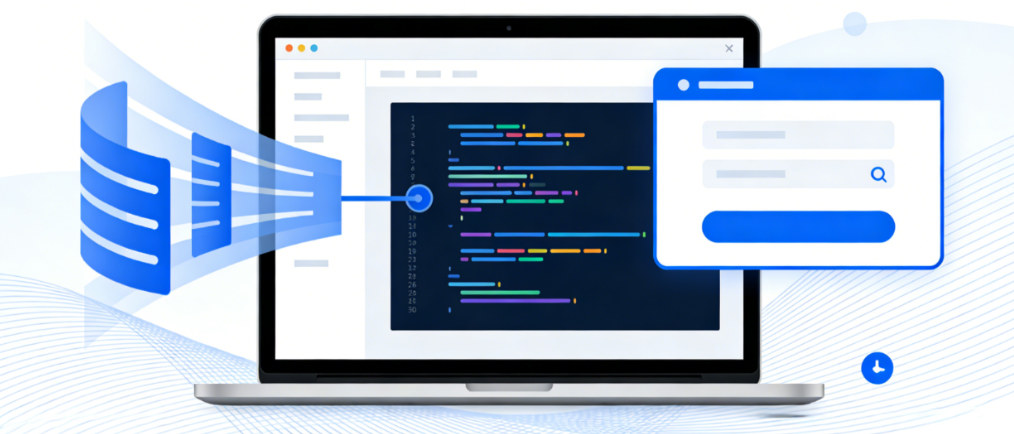
Modern anti-bot systems analyze hundreds of signals to distinguish humans from bots. These include:
- IP address reputation and type
- Browser fingerprint (user agent, screen resolution, fonts, etc.)
- Behavioral patterns (click speed, scrolling, typing)
- Request frequency and volume
- JavaScript execution capabilities
If any of these signals look suspicious, the website will block your request, show you a CAPTCHA, or feed you false data. The right proxy can address the most critical signal: your IP address.
Which Proxy Type Works for Which Scraping Task?
Not all proxies are created equal for scraping. The right choice depends entirely on the target website’s security level.
Level 1: Simple, Low-Security Sites
For basic websites with no anti-bot protection, almost any proxy will work. These include:
- Small business websites
- Personal blogs
- Government and educational sites
- News sites with minimal protection
Recommended proxy type: Datacenter proxies
Datacenter proxies are fast, cheap and more than sufficient for these sites. You can scrape thousands of pages per day without getting blocked.
IPFLY’s datacenter proxies offer unlimited bandwidth and speeds up to 10Gbps, making them perfect for high-volume scraping of low-security sites. With locations in 50+ countries, you can easily target any region.
Level 2: Medium-Security Sites
These sites have basic anti-bot systems but don’t use advanced AI detection. They include:
- Most small to medium e-commerce sites
- Local business directories
- Real estate listing sites
- Job boards
Recommended proxy type: Rotating residential proxies
Datacenter proxies will get blocked quickly on these sites. Rotating residential proxies provide the perfect balance of speed, cost and stealth. By automatically switching IP addresses for every request, you avoid being detected as a bot.
IPFLY’s rotating residential proxies automatically assign a new IP from our pool of 10 million+ addresses for every request. This distributes your traffic across thousands of real home connections, making it look like 10,000 different people are browsing the site instead of one scraper.
Level 3: High-Security Sites
These sites use advanced anti-bot systems like Cloudflare, Akamai and PerimeterX. They include:
- Major e-commerce platforms (Amazon, eBay, Walmart)
- Search engines (Google, Bing, Yahoo)
- Travel booking sites
- Financial services websites
Recommended proxy type: Premium rotating residential proxies with session control
Standard residential proxies may still get blocked on these sites. You need premium residential proxies with clean IP reputations and session control capabilities. Session control allows you to keep the same IP address for multiple requests, which mimics real human behavior more accurately.
IPFLY’s premium residential proxies are hand-selected for high reputation and low abuse rates. We offer session control from 1 minute to 24 hours, allowing you to mimic natural browsing patterns and avoid detection.
Clear Step-by-Step Proxy IP Tutorials
Master proxy setup, integration and performance optimization quickly with IPFLY guides
Level 4: Extreme-Security Sites
These sites have the strictest anti-bot protection on the internet. They include:
- Social media platforms (Instagram, TikTok, Facebook)
- Streaming services
- Sneaker and limited-edition product sites
- Mobile app APIs
Recommended proxy type: Mobile proxies
Nothing else works reliably on these sites. Mobile proxies leverage CGNAT technology to make your traffic appear to come from hundreds of real users sharing the same cell tower. Even the most advanced anti-bot systems hesitate to block mobile IPs.
IPFLY’s 4G/5G mobile proxies use real cellular devices from 300+ carriers worldwide. Our proxies have a 99.9% success rate on even the most heavily protected social media and e-commerce sites.
Rotating vs Static Proxies for Scraping
For almost all scraping tasks, rotating proxies are the best choice. By changing your IP address for every request, you avoid building up a negative reputation with the target website.
However, there are some exceptions where static proxies are better:
- Scraping sites that require login
- Completing multi-step workflows
- Scraping sites that use session-based tracking
In these cases, use a static residential proxy and limit each IP to 10-20 requests per hour to avoid being flagged.
Common Scraping Proxy Mistakes to Avoid
1.Using datacenter proxies on tough sites: This is the #1 mistake new scrapers make. Datacenter proxies are almost universally blocked on major websites.
2.Rotating too slowly: If you make 100 requests from the same IP in an hour, you will get blocked. Rotate IPs for every request on high-security sites.
3.Using shared proxies: Shared proxies are used by hundreds of users. If one user abuses an IP, everyone gets blocked. Always use dedicated proxies for serious scraping.
4.Ignoring IP reputation: Not all residential proxies are equal. Some providers use IPs with a history of abuse, which get blocked immediately.
5.Scraping too fast: Even with the best proxies, making requests too quickly will trigger anti-bot systems. Add random delays between requests to mimic human behavior.
Advanced Scraping Proxy Strategies
To maximize your success rate on tough sites, combine proxies with these advanced techniques:
1.Use a headless browser: Simple HTTP clients are easily detected. Use Puppeteer or Playwright with stealth plugins to simulate a real browser.
2.Randomize request timing: Add random delays between requests (2-5 seconds is usually sufficient).
3.Rotate user agents and browser fingerprints: Use different browser profiles for different scraping sessions.
4.Implement exponential backoff: If you get blocked, wait longer before trying again with a new IP.
5.Monitor block rates: Track how often you get blocked and adjust your proxy configuration accordingly.
The right proxy can make or break your web scraping project. For simple sites, datacenter proxies are fast and cheap. For most medium and high-security sites, rotating residential proxies are the best choice. For the toughest social media and e-commerce sites, only mobile proxies will work reliably.
IPFLY offers all three proxy types with features specifically designed for web scraping: automatic rotation, session control, clean IP reputations and global coverage. Our proxies integrate seamlessly with all major scraping frameworks and tools, so you can focus on extracting data instead of fighting blocks.
In our next guide, we’ll show you how to build an enterprise-grade scraping infrastructure that can handle millions of requests per day without downtime.