

Understanding Data as a Service and Its Transformative Impact
Data as a Service, commonly referred to as DaaS, represents a cloud-based data delivery model where data is made available to users on demand through network connections. Unlike traditional data management approaches that require organizations to maintain their own data infrastructure, storage systems, and collection mechanisms, DaaS provides ready-to-use, high-quality data through subscription-based or pay-per-use models.
This revolutionary approach eliminates the complexity and cost associated with building and maintaining data pipelines, allowing businesses to focus on deriving insights and making informed decisions rather than wrestling with data acquisition challenges. As organizations increasingly recognize data as a critical strategic asset, Data as a Service has emerged as an essential component of modern business intelligence and analytics strategies.
The fundamental premise of DaaS is simple yet powerful: data providers collect, process, clean, and organize information from various sources, then deliver it to customers in structured, actionable formats. This model democratizes access to high-quality data, enabling businesses of all sizes to leverage information that was previously accessible only to large enterprises with substantial resources.
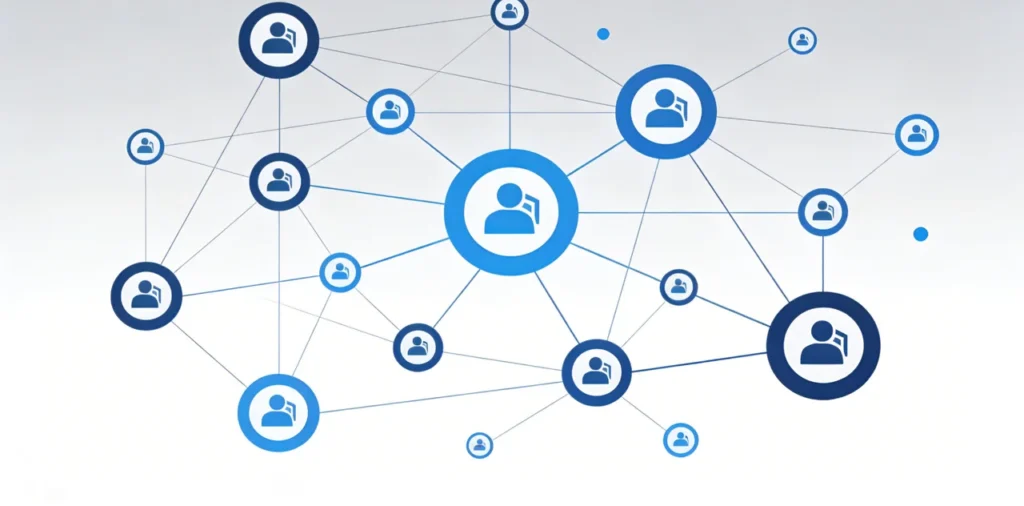
What is Data as a Service? Core Components and Architecture
Data Collection and Aggregation
At the foundation of any Data as a Service platform lies robust data collection infrastructure. Providers gather information from diverse sources including web scraping, API integrations, public databases, proprietary sensors, and third-party partnerships. This multi-source approach ensures comprehensive coverage and reduces dependency on any single data channel.
Modern data collection increasingly relies on automated systems capable of gathering information continuously and at scale. For providers operating DaaS platforms, maintaining reliable data collection infrastructure is paramount. IPFLY’s residential proxy network, with over 90 million IP addresses spanning more than 190 countries and regions, provides the foundation for global data collection operations. The platform’s unlimited concurrency support enables DaaS providers to gather information from thousands of sources simultaneously without bandwidth constraints or connection limits.
Data Processing and Quality Assurance
Raw data requires significant processing before becoming valuable business intelligence. DaaS providers implement sophisticated pipelines that clean, normalize, validate, and enrich incoming information. This transformation ensures customers receive accurate, consistent, and actionable data rather than unstructured raw feeds requiring additional processing.
Quality assurance processes filter out duplicates, identify anomalies, verify accuracy through cross-referencing, and standardize formats across disparate sources. These critical steps differentiate professional DaaS offerings from simple data dumps, ensuring customers can immediately integrate received data into their analytics workflows.
Delivery Infrastructure and Access Methods
DaaS platforms employ various delivery mechanisms to suit different customer needs and technical capabilities. Common access methods include RESTful APIs for programmatic integration, direct database connections for real-time querying, scheduled file transfers for batch processing, and web-based dashboards for interactive exploration.
The delivery infrastructure must balance speed, reliability, and security. Enterprise customers expect near-instantaneous access to fresh data, while simultaneously requiring robust security measures protecting sensitive information. This combination of performance and protection demands carefully architected systems with redundancy, encryption, and access controls.
Scalability and Performance Optimization
As customer demands grow and data volumes expand, DaaS platforms must scale efficiently. Cloud-native architectures enable dynamic resource allocation, ensuring performance remains consistent regardless of request volumes. Advanced caching strategies, content delivery networks, and distributed storage systems minimize latency and maximize throughput.
IPFLY’s infrastructure demonstrates this scalability principle through its dedicated high-performance servers supporting massive concurrent requests. For DaaS providers managing data collection at enterprise scale, IPFLY’s 99.9% uptime guarantee and rapid response architecture ensure continuous operations without interruptions that could compromise data freshness or completeness.
Types of Data as a Service Solutions
Market Intelligence and Competitive Data
Market intelligence DaaS platforms provide businesses with comprehensive information about competitors, industry trends, pricing dynamics, and market opportunities. These services aggregate data from public sources, news outlets, financial reports, social media, and proprietary research to deliver holistic market views.
Companies use market intelligence data to identify emerging trends, benchmark performance against competitors, discover new market opportunities, and make informed strategic decisions. The real-time nature of modern DaaS enables businesses to react quickly to market changes rather than relying on outdated quarterly reports.
Consumer Behavior and Demographics
Understanding customer behavior drives successful marketing, product development, and business strategy. Consumer behavior DaaS solutions provide detailed insights into purchasing patterns, demographic characteristics, preference trends, and engagement metrics across various channels and platforms.
This information helps businesses segment audiences, personalize marketing campaigns, optimize product offerings, and improve customer experiences. By accessing professionally curated consumer data rather than building proprietary research programs, companies accelerate time-to-insight while reducing research costs.
Financial and Economic Data
Financial institutions, investors, and businesses require access to accurate, timely financial information for analysis and decision-making. Financial DaaS platforms deliver stock prices, economic indicators, company financials, credit ratings, and alternative data sources that provide unique market insights.
The speed and accuracy of financial data directly impacts trading strategies, risk assessments, and investment decisions. Premium DaaS providers in this space invest heavily in data quality, verification processes, and delivery infrastructure to ensure customers receive reliable information with minimal latency.
Geographic and Location Intelligence
Location-based DaaS provides geographic information, point-of-interest data, demographic mapping, traffic patterns, and spatial analytics. Businesses use this information for site selection, logistics optimization, targeted marketing, and understanding regional market dynamics.
For DaaS providers collecting geographic data across multiple regions, proxy infrastructure becomes essential for accessing location-specific information. IPFLY’s static residential proxies, offering permanently active IPs allocated directly by ISPs in specific locations, enable accurate geographic data collection that perfectly replicates local network environments. This authenticity ensures collected location data reflects genuine regional characteristics without detection or blocking.
Web and Social Media Data
The internet generates massive amounts of publicly available data valuable for business intelligence. Web and social media DaaS platforms monitor websites, social networks, forums, review sites, and online communities to extract sentiment, trends, brand mentions, and consumer opinions.
This real-time pulse on public perception helps businesses manage reputation, identify emerging issues, track campaign performance, and understand customer sentiment. However, collecting this data responsibly requires sophisticated infrastructure that respects platform guidelines while gathering comprehensive information.
IPFLY’s dynamic residential proxies excel in scenarios requiring frequent IP rotation and high anonymity. With IPs from real user devices worldwide that change periodically or per request, DaaS providers can gather social media and web data at scale without triggering rate limits or anti-scraping mechanisms. The platform’s millisecond-level response times ensure data collection keeps pace with the rapid flow of online information.
Benefits of Data as a Service for Modern Businesses
Reduced Infrastructure Costs
Building and maintaining data collection infrastructure represents a significant capital investment. Organizations must acquire servers, storage systems, networking equipment, and software licenses, then hire specialized personnel to manage these resources. DaaS eliminates these upfront costs, converting capital expenditure into predictable operational expenses.
The subscription-based model allows businesses to access enterprise-grade data capabilities without enterprise-scale infrastructure investments. This democratization of data access levels the playing field, enabling smaller organizations to compete with larger competitors through superior data-driven insights.
Accelerated Time to Value
Traditional data projects often require months of planning, development, and testing before delivering actionable insights. DaaS dramatically compresses this timeline by providing immediate access to curated, ready-to-use data. Businesses can begin extracting value within days or even hours of subscribing to a service.
This acceleration proves particularly valuable in fast-moving markets where delayed insights become obsolete before implementation. Organizations can rapidly test hypotheses, validate assumptions, and make data-driven decisions without lengthy development cycles.
Access to Expertise and Specialization
Data collection and processing require specialized knowledge across multiple domains including web technologies, data engineering, quality assurance, and domain-specific expertise. DaaS providers invest in building these capabilities, offering customers access to specialized knowledge without requiring in-house expertise development.
This specialization ensures higher quality data than most organizations could produce independently. Providers focus exclusively on data excellence, continuously improving collection methods, quality processes, and delivery mechanisms.
Scalability and Flexibility
Business data needs fluctuate based on seasonal demands, market conditions, and strategic initiatives. DaaS platforms accommodate these variations through flexible subscription models and scalable infrastructure. Organizations can increase data volume during peak periods and scale back during quieter times without being locked into fixed infrastructure costs.
This elasticity extends to data types as well. Businesses can experiment with different data sources, testing their value before committing to long-term investments. Failed experiments cost minimal resources, while successful pilots can quickly scale to production levels.
Enhanced Data Quality and Freshness
Professional DaaS providers implement rigorous quality control processes that most individual organizations cannot replicate. Dedicated teams continuously monitor data accuracy, identify quality issues, and refine collection methods. This focus on quality ensures customers receive reliable, accurate information suitable for critical business decisions.
Additionally, DaaS platforms provide fresher data than traditional sources. Automated collection systems gather information continuously, with some services offering near-real-time updates. This freshness enables responsive decision-making based on current conditions rather than historical snapshots.
How Data as a Service Works: The Technical Foundation
API-First Architecture
Modern DaaS platforms typically expose functionality through well-designed APIs that enable seamless integration with customer systems. RESTful APIs provide standardized methods for requesting data, specifying parameters, and receiving responses in structured formats like JSON or XML.
This programmatic access allows businesses to automate data consumption, integrating external data directly into analytics platforms, business intelligence tools, or custom applications. API-based delivery ensures data flows continuously into organizational systems without manual intervention.
Authentication and Security Protocols
Protecting valuable data requires robust security measures throughout the delivery pipeline. DaaS providers implement authentication systems verifying customer identity, authorization mechanisms controlling access to specific data sets, and encryption protecting data in transit and at rest.
Enterprise-grade platforms offer additional security features including IP whitelisting, role-based access control, audit logging, and compliance certifications demonstrating adherence to data protection regulations. These measures ensure sensitive information remains secure while remaining accessible to authorized users.
Data Refresh Cycles and Real-Time Updates
Different data types require different refresh frequencies. Stock prices need continuous updates, while demographic data may refresh quarterly. DaaS platforms balance freshness requirements against collection costs and customer needs, optimizing refresh cycles for each data type.
Advanced platforms offer real-time or near-real-time data feeds for time-sensitive applications alongside batch updates for less dynamic information. This tiered approach provides appropriate freshness levels while managing infrastructure costs and complexity.
Integration with Analytics Platforms
DaaS delivers maximum value when seamlessly integrated into existing analytics workflows. Providers offer connectors and plugins for popular business intelligence tools, data warehouses, and analytics platforms. These integrations enable customers to combine external DaaS feeds with internal data sources for comprehensive analysis.
Pre-built integrations reduce implementation complexity, allowing business users to access external data through familiar interfaces without requiring technical expertise. This accessibility broadens data utilization across organizations, democratizing insights beyond technical teams.
Building a Data as a Service Platform: Key Considerations
Sourcing High-Quality Data
The foundation of any successful DaaS platform is reliable access to high-quality data sources. Providers must identify valuable data sources, establish collection mechanisms, and maintain ongoing access despite changing website structures, API updates, and anti-scraping measures.
For platforms relying on web data collection, proxy infrastructure becomes mission-critical. IPFLY’s rigorous business-grade IP selection process ensures all IPs originate from real end-user devices, precisely filtered according to different business scenarios. This guarantees high purity, security, and non-reuse, making automated data collection indistinguishable from genuine user activity and preventing the blocking that would compromise data quality and completeness.
Ensuring Legal and Ethical Compliance
Data collection and distribution must comply with complex legal frameworks including copyright laws, data protection regulations, terms of service agreements, and industry-specific requirements. DaaS providers bear responsibility for understanding and adhering to these obligations, protecting both themselves and their customers from legal risks.
Ethical considerations extend beyond legal compliance. Responsible DaaS providers implement policies ensuring collected data respects privacy, avoids causing harm, and aligns with societal expectations around appropriate data use. This ethical foundation builds trust and supports long-term business sustainability.
Implementing Robust Quality Control
Data quality directly impacts customer satisfaction and retention. DaaS platforms must implement comprehensive quality assurance processes detecting and correcting errors, inconsistencies, and anomalies. Automated validation systems catch common issues, while human review addresses edge cases and complex quality challenges.
Quality metrics should be transparent, allowing customers to understand data accuracy, completeness, and freshness. Service level agreements codify quality commitments, providing customers with guarantees and recourse when standards are not met.
Optimizing Collection Infrastructure
Efficient data collection requires sophisticated technical infrastructure balancing performance, reliability, and cost. DaaS providers must architect systems capable of handling diverse sources, managing rate limits, recovering from failures, and scaling with customer demand.
IPFLY’s datacenter proxies offer exceptional performance for high-volume data collection scenarios. These exclusive IPs combine high-speed stability with security against blocking, featuring low latency ideal for large-scale concurrent requests. For DaaS platforms processing millions of data points daily, this performance advantage directly translates to reduced infrastructure costs and improved data freshness.
Designing Customer-Centric Delivery
How data reaches customers significantly impacts usability and value. DaaS platforms should offer multiple delivery methods accommodating different technical capabilities and use cases. Simple file downloads serve basic needs, while sophisticated APIs enable deep integration with customer systems.
Documentation, code examples, and support resources lower adoption barriers, helping customers quickly realize value. Responsive customer support addressing technical questions and integration challenges builds loyalty and encourages deeper platform engagement.
Data as a Service Use Cases Across Industries
E-Commerce and Retail
Online retailers leverage DaaS for competitive price monitoring, market trend analysis, product catalog enrichment, and customer sentiment tracking. Real-time competitor pricing data enables dynamic pricing strategies maximizing revenue while remaining competitive.
Product information services provide detailed specifications, images, and descriptions, allowing retailers to quickly expand catalogs without manual data entry. Customer review aggregation from multiple platforms offers comprehensive sentiment analysis informing product development and marketing strategies.
For cross-border e-commerce operations, accessing accurate product and pricing data from international markets requires geographic diversity in data collection infrastructure. IPFLY’s global presence across more than 190 countries ensures DaaS providers can gather region-specific information accurately, supporting retailers’ international expansion strategies.
Digital Marketing and Advertising
Marketing teams use DaaS for ad verification, campaign performance tracking, audience intelligence, and competitive analysis. Ad verification services ensure campaigns appear correctly across platforms and geographies, protecting advertising investments from fraud and misplacement.
Social media monitoring platforms track brand mentions, sentiment, and engagement across networks, enabling rapid response to emerging issues and opportunities. Audience intelligence services provide detailed demographic and behavioral data supporting precise targeting and personalization.
IPFLY’s residential proxies, with their authentic ISP-allocated IPs and high anonymity, enable marketing DaaS platforms to verify ad placements and collect campaign data without detection. The platform’s unlimited concurrency supports simultaneous verification across thousands of ad placements, ensuring comprehensive coverage for enterprise marketing operations.
Financial Services and Investment
Investment firms and financial institutions rely on DaaS for alternative data sources providing unique market insights. Web scraping services monitor e-commerce activity, job postings, and consumer sentiment as early indicators of company performance.
Credit scoring platforms aggregate data from multiple sources to provide comprehensive risk assessments. Market data services deliver real-time pricing, trading volumes, and economic indicators supporting algorithmic trading and portfolio management.
The financial sector’s stringent requirements for data accuracy and security demand premium infrastructure. IPFLY’s secure, stable architecture with 99.9% uptime ensures financial DaaS providers maintain continuous data collection supporting time-sensitive trading decisions. High-standard encryption prevents data leaks, protecting sensitive financial information throughout the collection process.
Real Estate and Property Technology
Real estate platforms use DaaS for property listings aggregation, market valuation data, neighborhood analytics, and investment opportunity identification. Comprehensive listing data helps buyers and renters discover properties across multiple sources through unified interfaces.
Valuation services combine transaction histories, comparable sales, economic indicators, and local market trends to provide accurate property valuations. Neighborhood data services offer crime statistics, school ratings, amenity locations, and demographic information supporting location-based decisions.
Healthcare and Life Sciences
Healthcare organizations leverage DaaS for clinical trial data, drug pricing information, patient outcome studies, and epidemiological tracking. Research institutions access comprehensive medical literature databases accelerating discovery and reducing redundant research.
Pharmaceutical companies use market data services tracking prescriptions, treatment patterns, and healthcare provider behaviors. This information supports drug development, marketing strategies, and competitive intelligence.
Challenges in Data as a Service and Solutions
Managing Data Privacy and Compliance
Data protection regulations like GDPR, CCPA, and industry-specific requirements create complex compliance obligations. DaaS providers must understand which data can be legally collected and distributed, implement appropriate consent mechanisms, and respect individuals’ privacy rights.
Solutions include comprehensive legal reviews, privacy-by-design principles, transparent data handling policies, and regular compliance audits. Providers should clearly communicate data sources and collection methods, allowing customers to assess compliance with their own obligations.
Handling Data Quality Variations
Data quality naturally varies across sources and over time. Websites change structures, APIs return errors, and information becomes outdated. Maintaining consistent quality despite these challenges requires ongoing monitoring and adaptive collection strategies.
Implementing multi-source validation where information is cross-referenced across providers, automated anomaly detection identifying unusual patterns, and rapid response processes fixing identified issues helps maintain quality standards. Transparent quality metrics allow customers to understand current data state and make informed decisions.
Overcoming Access Restrictions and Anti-Scraping
Many valuable data sources implement measures preventing automated collection. Rate limiting, IP blocking, CAPTCHAs, and sophisticated bot detection systems pose significant technical challenges for DaaS providers.
IPFLY’s multi-layered IP filtering mechanism specifically addresses these challenges. By providing IPs that perfectly replicate real residential network environments with high purity and security guarantees, IPFLY enables DaaS platforms to bypass anti-scraping measures while maintaining ethical collection practices. The platform’s continuous IP pool updates ensure fresh addresses remain available as sources adapt their blocking strategies.
Balancing Cost and Coverage
Comprehensive data coverage across geographies, sources, and categories requires substantial infrastructure investment. DaaS providers must balance breadth of coverage against profitability, deciding which data sources justify collection costs.
Solutions include tiered service offerings allowing customers to select coverage levels matching their needs and budgets, focusing on high-value niches where specialized expertise commands premium pricing, and efficient infrastructure minimizing per-unit collection costs through economies of scale.
Ensuring Business Continuity
DaaS customers depend on consistent data delivery for business-critical operations. Infrastructure failures, source access issues, or provider problems can disrupt customer operations, damaging relationships and reputation.
Robust business continuity planning includes redundant infrastructure preventing single points of failure, automated failover systems maintaining operations during component failures, comprehensive monitoring detecting issues before customer impact, and transparent communication during incidents. IPFLY’s 24/7 technical support ensures DaaS providers receive immediate assistance when issues arise, minimizing potential disruptions to data collection operations.
Best Practices for Leveraging Data as a Service
Define Clear Data Requirements
Successful DaaS implementation begins with understanding exactly what data you need, how it will be used, and what quality standards are required. Vague requirements lead to mismatched solutions, wasted resources, and disappointing results.
Document specific data fields, required freshness levels, acceptable accuracy thresholds, and geographic coverage needs. These specifications guide provider selection and enable meaningful service level agreements establishing mutual expectations.
Evaluate Provider Capabilities Thoroughly
Not all DaaS providers offer equivalent capabilities. Thorough evaluation should assess data quality and accuracy, coverage breadth and depth, delivery infrastructure reliability, security and compliance measures, and customer support responsiveness.
Request sample data examining actual quality and format, review customer testimonials and case studies, verify compliance certifications, and test API performance and documentation. This due diligence prevents costly mistakes and ensures selected providers meet your specific requirements.
Plan for Data Integration
External data delivers value only when integrated into decision-making workflows. Plan integration approaches before subscribing to services, ensuring technical compatibility and organizational readiness. Consider how data will flow into existing systems, who will access and analyze it, and what processes will change based on new insights.
Successful integration often requires coordination between IT teams managing technical connections, business teams defining usage requirements, and compliance teams ensuring proper data handling. Early cross-functional planning prevents integration bottlenecks delaying value realization.
Monitor Quality and Performance Continuously
DaaS relationships require ongoing management rather than set-and-forget approaches. Implement continuous monitoring of data quality metrics, delivery performance, and business impact. Regular reviews identify emerging issues before they significantly impact operations.
Establish feedback loops with providers communicating quality issues, feature requests, and changing requirements. Proactive communication builds stronger partnerships and encourages providers to prioritize your needs.
Maintain Ethical Data Practices
Access to comprehensive data creates ethical responsibilities. Ensure data usage aligns with privacy principles, respects individuals’ rights, and avoids causing harm. Transparent data practices build trust with customers, regulators, and the public.
Implement internal policies governing appropriate data use, provide training ensuring employees understand ethical obligations, and regularly audit practices verifying compliance with established standards. Ethical leadership differentiates responsible organizations in increasingly privacy-conscious markets.
The Future of Data as a Service
Artificial Intelligence and Machine Learning Integration
AI and machine learning are transforming DaaS from simple data delivery to intelligent insights provision. Advanced platforms incorporate predictive analytics, anomaly detection, and automated pattern recognition, delivering not just raw data but actionable intelligence.
Future DaaS platforms will increasingly offer AI-powered features including automated data quality assessment, intelligent data enrichment combining multiple sources, predictive models trained on comprehensive datasets, and natural language interfaces simplifying data exploration.
Real-Time and Streaming Data
Business velocity demands increasingly fresh data. While batch processing remains appropriate for some use cases, real-time streaming data enables immediate response to changing conditions. DaaS platforms are evolving to support event-driven architectures where data flows continuously rather than in scheduled batches.
This shift requires infrastructure supporting high-throughput streaming, low-latency delivery, and real-time processing. Organizations can react to market changes, customer behaviors, and operational events as they occur rather than discovering them hours or days later.
Privacy-Preserving Technologies
Growing privacy concerns and regulatory requirements are driving innovation in privacy-preserving data technologies. Techniques like differential privacy, federated learning, and secure multi-party computation enable valuable insights while protecting individual privacy.
Future DaaS platforms will incorporate these technologies, allowing organizations to leverage sensitive data responsibly. Privacy-preserving approaches will become competitive differentiators as organizations balance data utility against privacy obligations.
Specialized Vertical Solutions
While horizontal DaaS platforms serve broad markets, specialized vertical solutions focusing on specific industries or use cases are emerging. These platforms combine domain expertise with data capabilities, delivering highly relevant, immediately actionable information for niche markets.
Industry-specific DaaS benefits from deep understanding of unique data requirements, regulatory considerations, and business contexts. Vertical specialization enables premium pricing supported by demonstrated value in addressing specific industry challenges.
Democratization Through Self-Service
Early DaaS platforms required significant technical expertise for implementation and use. Modern platforms increasingly offer self-service interfaces enabling business users to discover, access, and analyze data without IT intermediation.
No-code and low-code interfaces, pre-built visualizations, and automated insights lower barriers to data utilization. This democratization expands DaaS value across organizations, enabling data-driven decision-making at all levels rather than concentrating insights among technical specialists.
Embracing Data as a Service for Competitive Advantage
Data as a Service represents a fundamental shift in how organizations access and leverage information. By converting data acquisition from a capital-intensive, time-consuming challenge into a simple subscription service, DaaS democratizes access to the insights that drive competitive advantage.
Organizations across industries are discovering that success increasingly depends on data-driven decision-making. DaaS enables this transformation by providing immediate access to high-quality, diverse data without requiring massive infrastructure investments or specialized expertise development.
The model’s benefits extend beyond cost savings and convenience. DaaS accelerates innovation by enabling rapid experimentation with new data sources, supports agility through flexible scaling matching business needs, and improves decision quality through access to professional-grade data curation and processing.
For DaaS providers, success requires robust infrastructure supporting reliable, scalable data collection and delivery. IPFLY’s comprehensive proxy solutions address the fundamental challenges facing DaaS platforms—from global data collection across 190+ countries to handling massive concurrent requests with unlimited concurrency, from maintaining high anonymity preventing detection to ensuring 99.9% uptime supporting business-critical operations.
Whether you’re building a DaaS platform or consuming data services, understanding the ecosystem’s technical foundations, business models, and best practices positions you for success. As data continues driving business value and competitive differentiation, Data as a Service will remain central to modern data strategies.
The future belongs to organizations that effectively leverage data for insights, decisions, and actions. Data as a Service provides the foundation for this data-driven future, making previously inaccessible information readily available and immediately actionable. Embrace DaaS not as a technological novelty but as a strategic imperative enabling your organization to compete and succeed in an increasingly data-centric business environment.