The proxy industry has changed a lot in the last few years.
At first, most people only cared about hiding their IP address. Later, businesses started looking for better residential proxies and cleaner IP resources.
Now, things are changing again.
AI automation, large-scale data systems, and global online services are growing very fast. Because of this, many companies are looking back at one important technology:
Datacenter proxies.
Today, high-quality datacenter proxies are no longer just “cheap proxies.” They are becoming part of modern internet infrastructure.
For many technical teams, datacenter proxies are still the best choice for speed, stability, and large-scale automation.
This is why more businesses are building mixed proxy systems that use both residential and datacenter IPs together.
And this is also why companies like IPFLY are continuing to invest in global datacenter proxy networks.
What Is a Datacenter Proxy?
A datacenter proxy is an IP address hosted inside a server or cloud datacenter.
Unlike residential proxies, these IPs do not come from home internet users.
Instead, they come from:
- Cloud servers
- Hosting providers
- Enterprise server networks
- Dedicated datacenter infrastructure
In simple words:
Residential proxies look like real home users.
Datacenter proxies work more like high-performance network machines.
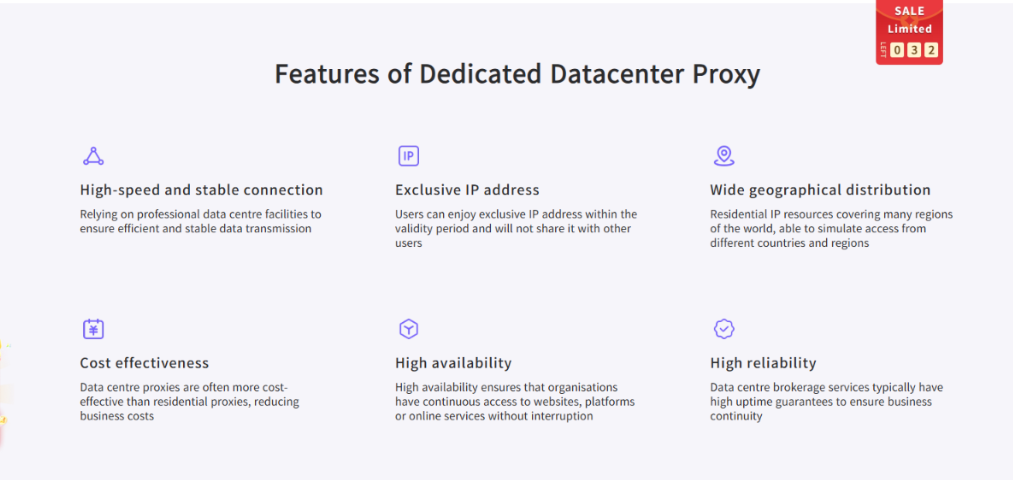
Because of this, datacenter proxies are usually:
- Faster
- More stable
- Lower latency
- Better for automation
- Easier to scale
- More affordable for large projects
This is one reason why datacenter proxies are still widely used in:
- SEO monitoring
- AI data collection
- Web crawling
- API requests
- Ad verification
- Large-scale automation
- Global testing
- Content monitoring
- Real-time analytics
Many industry reports also point out that datacenter proxies are still the best option for high-volume tasks because of their speed and lower cost.
Why Datacenter Proxies Matter More in the AI Era
A few years ago, many people believed residential proxies would completely replace datacenter proxies.
That did not happen.
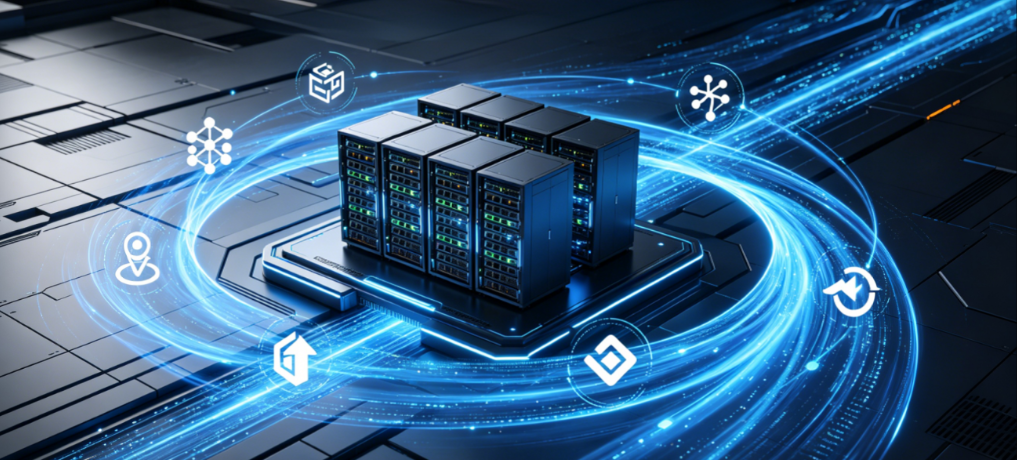
In fact, AI systems are increasing demand for datacenter infrastructure.
The reason is simple.
AI systems work very differently from normal human users.
A human may visit a website a few times each day.
But an AI system may:
- Send thousands of requests every minute
- Run 24 hours a day
- Collect data from many countries
- Monitor websites in real time
- Process large datasets continuously
This creates a huge need for:
- Stable networks
- Fast response times
- Large bandwidth
- High concurrency
- Lower operating costs
Datacenter proxies are very good at these tasks.
Recent reports about AI infrastructure also show that global datacenter demand is growing quickly because AI workloads require more scalable and powerful systems. (Business Insider)
Datacenter Proxy vs Residential Proxy
This is one of the most searched topics in the proxy industry.
But the truth is simple:
Neither one is “better.”
They solve different problems.
Residential Proxies
Residential proxies use IP addresses from real internet users.
This makes them better for tasks that need stronger identity trust.
They are commonly used for:
- Social media management
- Local content testing
- Geo-specific browsing
- Ad verification
- Sensitive websites
Because the traffic looks more human, residential proxies often have higher success rates on websites with strong anti-bot systems.
Datacenter Proxies
Datacenter proxies focus on performance.
They are better for:
- High-speed automation
- Large-scale scraping
- API systems
- SEO tracking
- Data analysis
- AI workflows
Compared with residential proxies, datacenter proxies usually offer:
- Faster response
- Lower latency
- Better scalability
- Lower cost per request
This is why many technical teams still rely heavily on datacenter infrastructure. (9proxy_convert_production)
Why Low-Quality Datacenter Proxies Often Fail
Many users think all datacenter proxies are easy to detect.
That is not completely true.
The real issue is usually low-quality proxy networks.
For example:
- Shared abused IPs
- Old blacklisted IP ranges
- Dirty ASN history
- Overused server blocks
- Weak rotation systems
- Poor infrastructure management
These problems can lead to:
- Captchas
- Connection blocks
- Lower success rates
- Unstable requests
This is why two datacenter proxy providers can perform very differently even if they both sell “datacenter proxies.”
The quality of the infrastructure matters a lot.
What Makes a Good Datacenter Proxy?
Professional teams usually focus on several important factors.
IP Reputation
IP reputation is critical.
If an IP has a long history of abuse, websites may already distrust it.
Good providers usually monitor:
- IP health
- ASN reputation
- Abuse reports
- Blocklist status
- Traffic quality
This helps improve long-term stability.
Network Stability
Fast speed alone is not enough.
Businesses need stable connections.
This is especially important for:
- AI systems
- Automation tools
- Long-running scripts
- Continuous monitoring
Strong datacenter proxy systems usually provide:
- High uptime
- Stable routing
- Low packet loss
- Strong bandwidth
- Better request consistency
Global Coverage
Modern internet services are global.
Companies now need access to many regions for:
- Search monitoring
- Global testing
- Localization checks
- Multi-region analytics
A larger global network gives businesses more flexibility.
This is one reason why proxy providers are expanding their worldwide infrastructure.
Why Many Companies Use Hybrid Proxy Systems
One big trend in 2026 is hybrid proxy architecture.
This means businesses combine:
- Residential proxies
- Datacenter proxies
- Sometimes ISP proxies together
Each type handles a different task.
For example:
Datacenter proxies handle:
- Speed
- Large request volumes
- Automation layers
Residential proxies handle:
- Identity trust
- Sensitive targets
- Region realism
This mixed model helps businesses balance:
- Cost
- Stability
- Performance
- Success rates
Many engineers now see this as the future of proxy infrastructure.
Real Business Problems Datacenter Proxies Help Solve
Modern companies use datacenter proxies for much more than simple browsing.
SEO Monitoring
SEO teams often track:
- Search rankings
- SERP changes
- Regional search results
- Competitor visibility
These systems require large numbers of stable requests every day.
Datacenter proxies help reduce cost while improving efficiency.
AI Data Collection
AI systems need large datasets.
This includes:
- Public web content
- News pages
- Market information
- Structured website data
Datacenter proxies help AI teams collect information at scale.
API Automation
Many software systems rely on APIs.
But APIs often have:
- Rate limits
- Geographic restrictions
- Request limits
Datacenter proxies help distribute requests across multiple IPs.
Global Content Testing
Streaming platforms, SaaS tools, and websites often show different content in different countries.
Testing these systems requires global IP coverage.
Datacenter proxies make this process faster and easier.
How IPFLY Builds Modern Datacenter Proxy Infrastructure
Today, businesses expect more than simple IP access.
They want infrastructure that supports long-term automation and stable operations.
This is where IPFLY focuses its network strategy.
IPFLY provides:
- Datacenter proxies
- Residential proxies
- Static residential proxies
The platform now supports over 90 million IP resources across more than 190 countries and regions.
Its infrastructure uses self-built server systems and large-scale IP management technology to improve:
- Stability
- Connection quality
- IP cleanliness
- Global routing performance
For technical teams running automation systems, stable infrastructure is often more important than short-term speed.
This is especially true for:
- AI workflows
- Data systems
- Monitoring tools
- Continuous automation
The Future of Datacenter Proxies
Datacenter proxies are not disappearing.
In many ways, they are becoming more important.
AI systems, automation tools, and global data operations all require scalable network infrastructure.
And scalable systems need:
- Stable connections
- High concurrency
- Lower costs
- Fast routing
- Reliable uptime
This is exactly where datacenter proxies perform best.
The future proxy industry will likely move toward layered infrastructure:
- Residential proxies for trust
- Datacenter proxies for scale
- ISP proxies for balance
The companies that succeed will not simply offer “more IPs.”
They will offer:
- Better infrastructure
- Cleaner IP resources
- Smarter routing
- More stable networks
- Higher request success rates
That is becoming the real competition in the proxy industry.
Final Thoughts
Datacenter proxies are often misunderstood.
Some people still think they are outdated.
But modern internet systems tell a different story.
AI automation, global analytics, and large-scale data systems all depend on fast and stable network infrastructure.
That makes high-quality datacenter proxies more valuable than ever.
The biggest difference today is not just the number of IPs.
It is the quality behind the infrastructure.
And as the internet becomes more automated, stable proxy architecture will become even more important for businesses around the world.