In 2026, nearly every major website and API operates advanced anti-automation systems that detect and block suspicious traffic within seconds. A single IP address sending more than 10–20 requests per minute will almost always trigger rate limits, CAPTCHAs, or permanent IP bans. This reality has made IP rotation not just a convenience, but an absolute necessity for any automated web workflow—from web scraping and API integration to multi-account management and global market research.
While the concept of IP rotation is simple—switching between multiple IP addresses to mimic different human users—implementing it reliably at scale is extremely challenging. Low-quality proxy pools, inconsistent rotation logic, poor geographic targeting, and unstable connections lead to 60%+ failure rates for most DIY rotation setups. For enterprises relying on automated operations, these failures translate directly to lost revenue, delayed projects, and missed market opportunities.
IPFLY’s enterprise-grade proxy ecosystem is purpose-built to solve every pain point of IP rotation. With a global pool of over 90 million high-quality residential IPs, fully automated rotation controls, and 99.9% uptime, IPFLY delivers production-grade IP rotation that achieves 99.8% success rates even against the most advanced anti-bot systems. This article breaks down what IP rotation is, why it matters, core strategies, common pitfalls, and how IPFLY’s infrastructure enables seamless, scalable rotation for all use cases.
What Is IP Rotation & How It Works
Core Definition
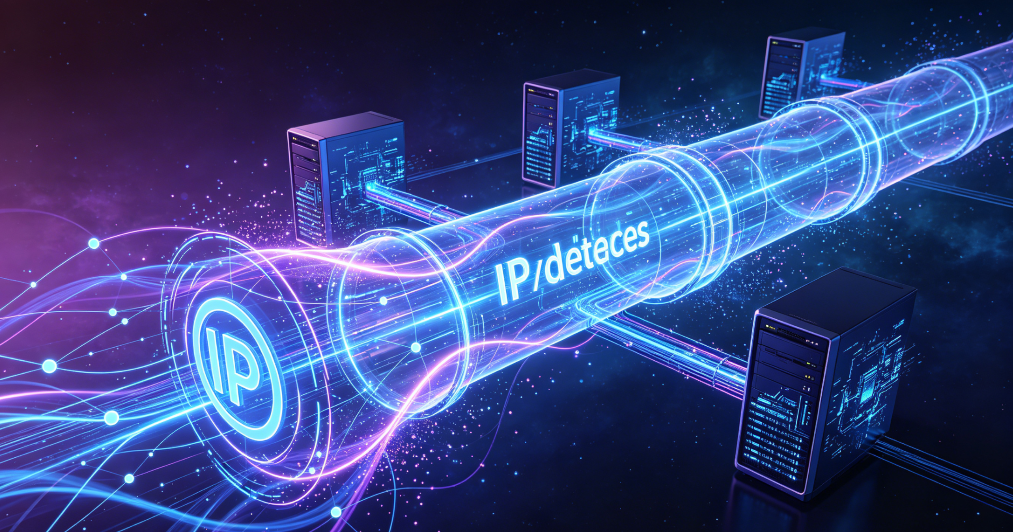
IP rotation is a network technique that automatically switches the IP address used to send requests to target servers. By distributing traffic across hundreds or thousands of unique IPs, it prevents any single IP from being flagged as suspicious or abusive. This mimics the behavior of multiple distinct human users accessing a website from different locations and devices, bypassing rate limits, IP bans, and anti-bot detection.
Basic Working Principle
IP rotation operates at the proxy layer, intercepting outgoing requests and assigning a new IP address from a pre-configured pool based on predefined rules. The rotation process is completely transparent to the end user or application, requiring no changes to core business logic. Modern enterprise rotation systems support multiple trigger mechanisms:
- Request-based rotation: New IP for every individual request
- Time-based rotation: New IP after a fixed interval (30 seconds, 5 minutes, 1 hour)
- Event-based rotation: New IP triggered by specific conditions (403 error, CAPTCHA, session end)
- Sticky session rotation: Same IP maintained for the duration of a user session or task
Why IP Rotation Is Non-Negotiable in 2026
Anti-automation technology has evolved exponentially in recent years, with systems like Cloudflare Turnstile, Akamai Bot Manager, and PerimeterX analyzing over 100 signals to detect bots. IP identity remains the single most heavily weighted signal in these systems, making rotation the foundation of any reliable automated workflow.
- Avoid IP Bans & Rate Limits
The most basic and critical function of IP rotation is preventing IP blacklisting. Even legitimate businesses sending high volumes of requests will be banned if they use a single IP address. Rotation distributes traffic across thousands of IPs, keeping individual request volumes well below threshold limits.
- Bypass Geographic Restrictions
Many websites and APIs enforce regional access controls, only serving content to IPs in specific countries or cities. IP rotation lets you route requests from any location worldwide, unlocking region-locked data, services, and market insights.
- Prevent Account Association
For businesses managing multiple accounts (social media, e-commerce stores, SaaS platforms), using the same IP address for multiple accounts will trigger automatic association bans. IP rotation assigns a unique, dedicated IP to each account, eliminating cross-account detection.
- Improve Data Accuracy & Completeness
Websites often return incomplete, misleading, or geotargeted data to IPs flagged as bots. Rotating clean residential IPs ensures you receive the same accurate, full data that a real human user would see.
- Enhance Privacy & Security
IP rotation hides your real IP address and network identity, protecting your infrastructure from targeted attacks, surveillance, and data leaks. This is especially critical for sensitive operations like competitive intelligence and brand monitoring.
Core IP Rotation Strategies & Use Cases
There is no one-size-fits-all IP rotation strategy. The optimal approach depends entirely on your specific use case, target website, and required success rate. Below are the four most common strategies and their ideal applications.
- Per-Request Rotation
Every individual request is assigned a new, unique IP address from the pool. This is the most aggressive rotation strategy and provides the highest level of anti-detection protection.
Best for:
- High-volume web scraping and data extraction
- SERP monitoring and SEO rank tracking
- Ad verification and fraud detection
- Large-scale market research
Example use case: A retail brand scraping 100,000 product pages daily from competitor websites uses per-request rotation to distribute traffic across 50,000 unique IPs, achieving a 99.7% success rate with zero bans.
- Time-Based Rotation
IP addresses are switched automatically after a fixed time interval, ranging from 30 seconds to 24 hours. This balances anti-detection protection with session continuity.
Best for:
- Moderate-volume data collection
- API integrations with rate limits
- General web browsing and research
- Tasks requiring short-term session consistency
Example use case: A marketing agency monitoring social media trends uses 15-minute time-based rotation to maintain stable connections while avoiding rate limits on platform APIs.
- Sticky Session Rotation
A single IP address is assigned to a specific session or task and maintained for its entire duration. The IP is only rotated when the session ends or an error occurs. This provides maximum session continuity while still offering anti-ban protection.
Best for:
- Multi-account management (social media, e-commerce)
- Authenticated requests and logged-in sessions
- Form submissions and transactional workflows
- Long-running tasks requiring consistent identity
Example use case: An e-commerce seller managing 50 Amazon store accounts uses sticky session rotation to assign a dedicated static residential IP to each account, eliminating association bans and maintaining stable access for months.
- Event-Based Rotation
IP rotation is triggered dynamically by specific events rather than fixed rules. Common triggers include 403 Forbidden errors, 429 Too Many Requests responses, CAPTCHA challenges, or failed login attempts. This is the most intelligent and efficient rotation strategy.
Best for:
- Production-grade automated pipelines
- Targets with aggressive anti-bot systems
- Workflows requiring optimal resource utilization
- Adaptive scraping and monitoring
Example use case: A financial data company uses event-based rotation to automatically switch IPs only when a request fails, reducing proxy usage costs by 40% while maintaining a 99.5% success rate.
Common IP Rotation Pitfalls & How to Avoid Them
Even with a basic rotation system in place, most users encounter persistent failures due to these common mistakes:
- Using Low-Quality Proxy Pools
Shared datacenter IPs and overused residential IPs are easily detected by modern anti-bot systems. Many cheap proxy providers reuse IPs across hundreds of customers, leading to pre-blacklisted addresses and high failure rates.
Solution: Use IPFLY’s exclusive residential IPs that are never shared between users and undergo 7 layers of pre-screening to ensure clean reputations.
- Poor Rotation Timing
Rotating IPs too frequently can be just as suspicious as not rotating at all. Real human users do not switch IP addresses every few seconds, and this pattern will trigger immediate detection.
Solution: Match your rotation frequency to natural user behavior. Use sticky sessions for logged-in tasks and per-request rotation only for high-volume anonymous scraping.
- Inconsistent Session Management
Rotating IPs mid-session while maintaining the same cookies, user agent, or device fingerprint will create a glaring inconsistency that anti-bot systems will flag.
Solution: Use IPFLY’s integrated session management tools that sync IP rotation with cookie and header rotation for complete identity consistency.
- Inaccurate Geographic Targeting
Many proxy providers advertise country-level targeting but deliver IPs from incorrect cities or regions. This leads to inaccurate geotargeted data and increased detection risk.
Solution: IPFLY offers precise city-level targeting across 190+ countries, ensuring your IP location exactly matches your target region.
- Lack of Scalability
DIY rotation systems and small proxy pools quickly become bottlenecks as your operations scale. They cannot handle high concurrency or sudden spikes in traffic, leading to timeouts and failures.
Solution: IPFLY’s global infrastructure supports unlimited ultra-high concurrency, scaling seamlessly from 10 to 100,000 requests per minute without performance degradation.
Full-Industry Proxy IP Application Solutions
Power scalable growth for every cross-border business scenario with IPFLY’s reliable global proxy network
IPFLY: Enterprise-Grade IP Rotation for Production Workflows
IPFLY’s proxy ecosystem is built from the ground up to deliver reliable, scalable IP rotation that solves all the common pitfalls outlined above. Our platform combines industry-leading IP quality, flexible rotation controls, and enterprise-grade performance to meet the needs of businesses of all sizes.
IPFLY Proxy Types for Every Rotation Strategy
Dynamic Residential Proxies: Per-Request & Time-Based Rotation
IPFLY Dynamic Residential Proxies draw from a global pool of over 90 million real end-user IPs, supporting fully automated per-request or time-based rotation with millisecond-level response times.
Key features:
- Rotation triggers: Per-request, 30s, 1min, 5min, 10min, 30min, 1h
- 190+ countries and 3,000+ cities of coverage
- Unlimited ultra-high concurrency
- 99.8% success rate against anti-bot systems
- Automatic IP health monitoring and replacement
Ideal for: High-volume web scraping, SERP monitoring, ad verification, and market research.
Static Residential Proxies: Sticky Session Rotation
IPFLY Static Residential Proxies provide permanent, ISP-allocated residential IPs that are exclusively assigned to a single user. They support sticky session rotation for as long as needed, with the option to manually rotate IPs at any time.
Key features:
- Fixed IPs that never change unless you request rotation
- Single-user exclusivity with no sharing
- Unlimited traffic and bandwidth
- Full HTTP/HTTPS/SOCKS5 protocol support
- 99.9% uptime guarantee
Ideal for: Multi-account management, e-commerce operations, social media marketing, and authenticated API integrations.
Datacenter Proxies: High-Speed Low-Risk Rotation
IPFLY Datacenter Proxies offer exclusive, high-purity static IPs with industry-leading speed and ultra-low latency. They support manual or API-based rotation for internal testing and low-risk operations.
Key features:
- 10Gbps network speeds with <10ms latency
- Exclusive IPs with no sharing
- Global coverage across 50+ countries
- Cost-effective pricing for high-volume use
- Full protocol compatibility
Ideal for: Internal testing, CI/CD pipelines, and non-sensitive data collection.
Core Technical Advantages of IPFLY IP Rotation
- 7-Layer IP Filtering: All IPs are screened for blacklist status, abuse history, and residential authenticity before being added to the pool.
- Fully Automated Rotation: No manual IP management required—rotation is handled automatically based on your configured rules.
- API-First Design: Complete REST API control over rotation settings, IP assignment, and pool management for seamless integration with your workflows.
- Global Anycast Network: Self-built servers in 190+ countries ensure low-latency connections and consistent performance worldwide.
- Real-Time Analytics: Detailed dashboard showing rotation frequency, success rates, error codes, and IP usage to optimize your workflows.
- 24/7 Expert Support: Dedicated technical team available around the clock to help with configuration and troubleshooting.
Example: IPFLY IP Rotation in Action
Below is a simple Python example demonstrating per-request IP rotation with IPFLY dynamic residential proxies:
python
import requests

# IPFLY dynamic residential proxy configuration (per-request rotation)
proxies = {"http": "http://your-username:your-password@gate.ipfly.com:10000","https": "http://your-username:your-password@gate.ipfly.com:10000"}# Each request will automatically use a new unique IPfor i in range(10):
    response = requests.get("https://api.ipify.org", proxies=proxies)print(f"Request {i+1} IP: {response.text}")
For sticky session rotation, simply use your dedicated static residential proxy credentials instead—all requests will use the same fixed IP until you manually rotate it via the IPFLY dashboard or API.
Best Practices for Production-Grade IP Rotation
Combine IPFLY’s infrastructure with these best practices to achieve maximum reliability and success rates:
- Match rotation strategy to use case: Use per-request rotation for anonymous scraping, time-based for moderate volume, and sticky sessions for authenticated tasks.
- Prioritize residential IPs: Always use residential IPs for targets with aggressive anti-bot systems; reserve datacenter IPs for internal testing only.
- Sync identity signals: Rotate user agents, cookies, and device fingerprints in sync with IP rotation to maintain consistent user identities.
- Implement intelligent retries: Use event-based rotation to automatically switch IPs and retry failed requests with exponential backoff.
- Monitor and optimize: Track success rates, error patterns, and IP performance to fine-tune your rotation frequency and pool size.
- Respect rate limits: Even with rotation, avoid sending requests faster than a human user would to minimize detection risk.
- Stay compliant: Only use IP rotation for legal, legitimate purposes and respect target websites’ robots.txt and terms of service.
Build Reliable Workflows with Enterprise IP Rotation
IP rotation is the foundation of any successful automated web operation in 2026. Without it, you will face constant IP bans, rate limits, and incomplete data. However, implementing reliable rotation at scale is far more complex than it appears, with low-quality proxies and poor strategy leading to high failure rates and wasted resources.
IPFLY’s enterprise-grade IP rotation solution eliminates these challenges, providing clean, high-quality residential IPs, flexible rotation controls, and enterprise-grade performance. Whether you need per-request rotation for high-volume scraping, sticky sessions for multi-account management, or time-based rotation for API integrations, IPFLY has a solution tailored to your needs.
By choosing IPFLY as your rotation provider, you can focus on building your core business logic while we handle the complexity of maintaining a reliable, scalable proxy infrastructure.
Build production-grade IP rotation into your workflows by registering an IPFLY account today. Choose Dynamic Residential Proxies for high-volume anti-bot protection, Static Residential Proxies for stable multi-account management, or Datacenter Proxies for high-speed testing—all backed by 99.9% uptime, global coverage, and 24/7 expert support.