In the complex ecosystem of internet connectivity, IPv4 proxies serve as critical intermediaries that enable secure and anonymous data transmission. An IPv4 proxy is a server that acts as a gateway between a user’s device and the internet, rerouting traffic through an alternative IPv4 address to mask the original source. This technology is rooted in the foundational IPv4 protocol, which uses 32-bit addresses (e.g., 192.168.1.1) to identify devices on a network. By substituting the user’s IP with one from the proxy pool, it creates a layer of separation, allowing for tasks such as bypassing geographic restrictions or conducting market analysis without direct exposure.
Scientifically, the IPv4 proxy mechanism draws from principles of packet encapsulation and address translation. When a request is sent, the proxy encapsulates the data packet, rewriting its header to include the proxy’s IPv4 address as the source, while preserving the payload’s integrity. This process is analogous to cellular transport in biology, where molecules are packaged and shuttled across membranes without changing their composition. The result is a rerouted path that evades detection by firewalls or content filters, which often rely on IP-based blacklists or behavioral analysis to identify suspicious activity. For instance, in high-volume data collection, proxies prevent rate limiting by distributing requests across multiple addresses, maintaining efficiency in bandwidth-constrained environments.
The importance of IPv4 proxies lies in their ability to extend the utility of the IPv4 address space, which is limited to approximately 4.3 billion unique combinations. By pooling and rotating IPs, proxies mitigate the risk of exhaustion and blacklisting, ensuring sustained access for legitimate uses. However, this requires careful management to avoid abuse, as overuse can lead to IP contamination in global reputation databases. In practice, residential IPv4 proxies—sourced from real ISP connections—offer higher authenticity, as they mimic organic user patterns, reducing the likelihood of flags from anti-bot systems.
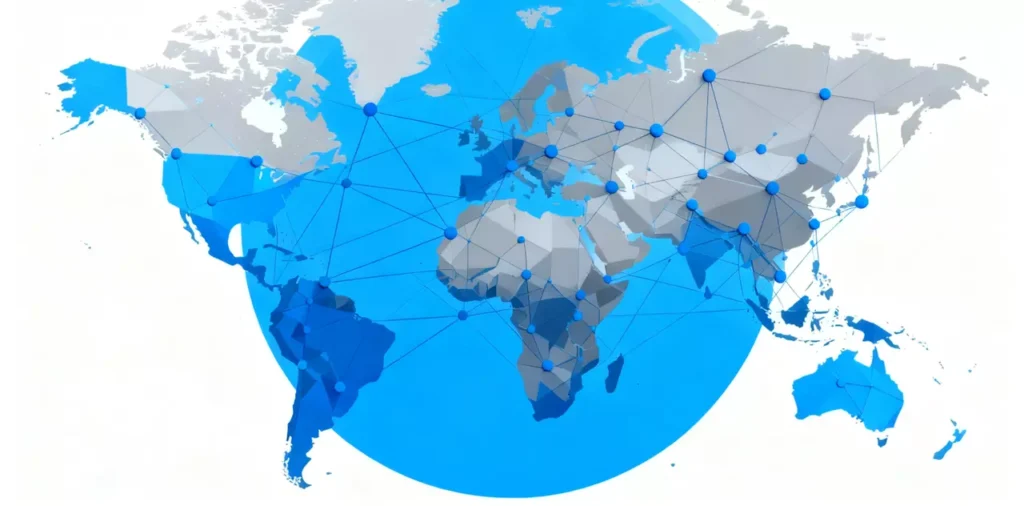
The Core Mechanics of IPv4 Proxy Operation
An IPv4 proxy’s operation can be dissected into a sequence of technical steps that ensure secure rerouting. First, the client device configures the proxy settings, directing outgoing traffic to the proxy server’s IPv4 address and port (commonly 1080 for SOCKS5). The proxy then authenticates the request, using methods like username/password to prevent unauthorized access, and resolves the destination if needed via DNS queries handled internally to avoid leaks.
Next, the proxy rewrites the packet header, replacing the source IPv4 address while maintaining the TTL (Time to Live) field to prevent routing loops. The modified packet is forwarded to the target server, which responds to the proxy’s IP, and the proxy relays the response back, completing the cycle. This bidirectional flow supports both TCP for reliable connections (e.g., web browsing) and UDP for low-latency applications (e.g., streaming). In advanced setups, proxies incorporate load balancing to distribute traffic across multiple IPv4 addresses, optimizing throughput and minimizing detection risks from pattern analysis.
IPFLY, for example, specializes in IPv4 proxy solutions with residential options, providing clean IPs that integrate well for tasks requiring consistent anonymity, such as secure data verification or remote testing, without compromising on connection stability.
Whether you’re doing cross-border e-commerce testing, overseas social media ops, or anti-block data scraping—first pick the right proxy service on IPFLY.net, then join the IPFLY Telegram community! Industry pros share real strategies to fix “proxy inefficiency” issues!
Key Features and Benefits of IPv4 Proxies
IPv4 proxies offer several standout features, including protocol versatility (supporting HTTP, HTTPS, and SOCKS), IP rotation for evasion, and authentication for secure sessions. These enable customization, such as geo-targeting by selecting proxies from specific regions to simulate local access.
The benefits are multifaceted. In privacy enhancement, they mask the user’s IP, preventing tracking by advertisers who build profiles based on connection history. For performance, proxies cache frequent requests, reducing latency in repetitive tasks like API calls. Security is bolstered by filtering malicious content, as proxies can scan incoming data for threats before delivery. In business applications, they facilitate web scraping by distributing requests to avoid bans, supporting market intelligence without disruption.
However, limitations include potential speed reductions from added hops and the need for reliable providers to avoid contaminated IPs. When selected carefully, IPv4 proxies provide a balanced solution for secure networking.
Practical Applications of IPv4 Proxies
IPv4 proxies are widely applied in professional contexts. In market research, they enable geo-specific data collection by simulating regional users, ensuring accurate pricing and ad insights. For cybersecurity testing, they allow simulation of attacks from neutral origins to evaluate defenses. E-commerce teams use them for competitive analysis, monitoring prices without alerting dynamic algorithms.
In personal use, they bypass geo-restrictions for streaming or gaming, providing access to global content. Developers integrate them for API testing from varied IPs, validating performance across locations. These applications highlight their versatility in bridging connectivity gaps.
Hands-On Tutorials: Configuring and Using IPv4 Proxies
Basic Browser Configuration
1.Obtain proxy credentials (IP, port, protocol).
2.In browser settings, enable manual proxy and input details for SOCKS5.
3.Test by loading a site and verifying the new IP.
4.Monitor for performance adjustments.
Scripting for Automated Use
1.Set up a programming environment with request libraries.
2.Configure the script to use the proxy.
3.Execute fetches and parse results.
4.Rotate if needed for sustained access.
Advanced Security Integration
1.Combine with VPN for layered protection.
2.Set up rotation and logging.
3.Test in simulated scenarios.
4.Refine based on metrics.
Ethical and Practical Considerations
Ethical use of IPv4 proxies emphasizes legal activities and respect for service terms. Practically, choose providers with clean IPs and monitor for blocks. In professional settings, document usage for compliance.
In conclusion, IPv4 proxies offer a robust framework for secure digital navigation, blending technical precision with practical utility. Through this guide, readers can implement these tools effectively.